Thank you

A Product Trainer will contact you within two business days to schedule a one-on-one training session.
Progress for the transgender community focuses on three main pillars:
Emerging in Harlem during the late 1960s and 1970s, the ballroom community was created by Black and Latine queer people who faced racism within established drag pageants. Led by trans icons like Crystal LaBeija, ballroom evolved into a highly structured subculture where participants "walked" in various categories to compete for trophies. The House System
The evolution of the transgender community and its intersection with broader LGBTQ+ culture represents one of the most dynamic chapters in modern social history. While often grouped under a single acronym, the relationship between gender identity and sexual orientation has shaped a unique, resilient culture. Understanding this connection requires exploring its historical roots, cultural milestones, and ongoing social shifts. The Historical Foundation
Despite increased visibility, the community faces significant hurdles:
Transgender culture explicitly clarifies that gender identity (who you are) is distinct from sexual orientation (who you love). A transgender person can identify as straight, gay, lesbian, bisexual, asexual, or queer. big cock black shemales
explores the nuances of gender embodiment and expression, moving beyond medical definitions to understand the lived social experience. Identity Diversity
Individuals whose identity sits outside the traditional male/female binary.
From the underground ballroom scenes of the 1980s (which gave birth to "voguing" and "drag" as high art) to modern cinema, trans creators have introduced themes of transformation and self-actualization that resonate far beyond their own community.
Often cited as the birth of the modern movement, these riots in New York City were led largely by trans women of color and drag queens, such as Marsha P. Johnson and Sylvia Rivera . Progress for the transgender community focuses on three
Despite the shared history, the relationship is not without tension. Within the coalition, there exists a phenomenon sometimes called "the LGB drop the T" movement—a fringe but vocal group of cisgender gay and lesbian people who argue that transgender issues are distinct from sexual orientation issues and dilute the political message.
The modern LGBTQ+ rights movement was largely forged by transgender individuals, particularly trans women of color.
The concept of "gender-fluid" fashion, now a staple on runways from Paris to New York, owes its existence to trans and non-binary individuals who viewed clothing as a tool for gender expression rather than a social mandate. The Unique Challenges Within the Community
The experience of being LGBTQ+ is shaped by other aspects of identity, such as race, disability, and socioeconomic status. Transgender women of color, for instance, face the highest rates of violence and marginalization. Understanding the Transgender Community - HRC While often grouped under a single acronym, the
, this is a request for a long article on "transgender community and LGBTQ culture." The user wants something substantial, not just a short definition. I need to assess the scope. The keyword pairs the transgender community specifically with the broader LGBTQ culture. That's a key nuance. The article needs to explore their relationship, not just describe each separately.
Allyship is an active, ongoing process of learning and support.
What is the or publication platform for this article?
A Product Trainer will contact you within two business days to schedule a one-on-one training session.
We’ve received your request for technical support. A Technical Support Specialist will contact you within 1 business day.
Your Target Market Request form has been sent. Your SocialCRM support agent will contact you to discuss any specifics, if needed.
Thank you for your interest in Mitchell 1 products. A Customer Service Agent will contact you within 1 business day.
Please allow 30 business days for your request to be processed.
We’ve received your request for assistance with your Mitchell 1 account. A Customer Service Agent will contact you within 1 business day.
We’ve received your request for a call back. A Customer Service Agent will contact you within 1 business day.
Thank you for contacting Mitchell 1 to discuss data integration opportunities. Clients who meet the requirements will be contacted to discuss a potential opportunity.
Your upgrade request for Accounting Link has been received. A Customer Service agent will contact you shortly.
Your details have been successfully submitted!
Direct Access—Pass-Through (transfer ticket) streamlines access straight into ProDemand Truck. Depending on the configuration, this workflow uses the user/password credentials or an account number. Your users can launch into ProDemand Truck, assuming they already have an active subscription.
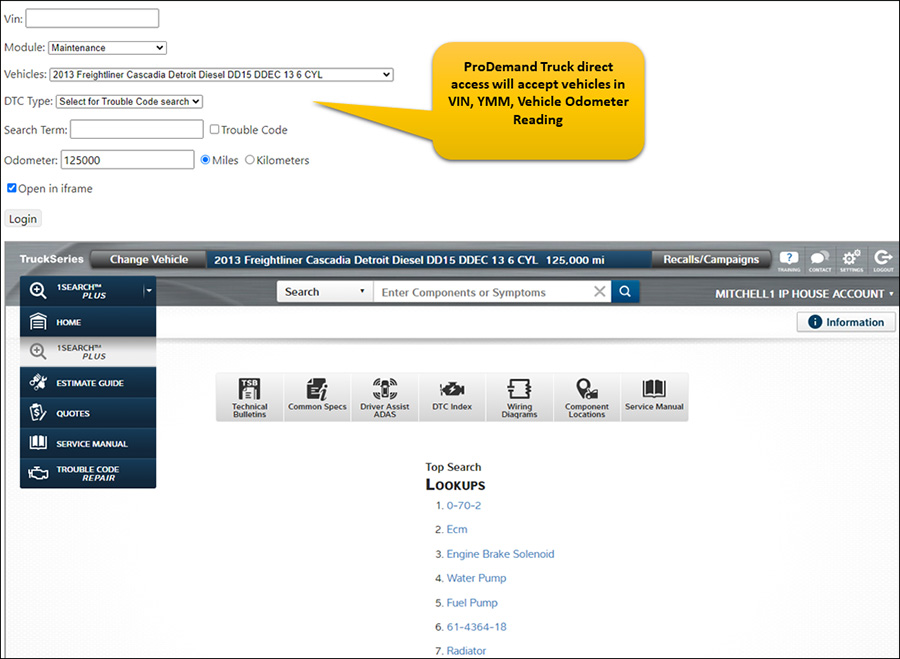
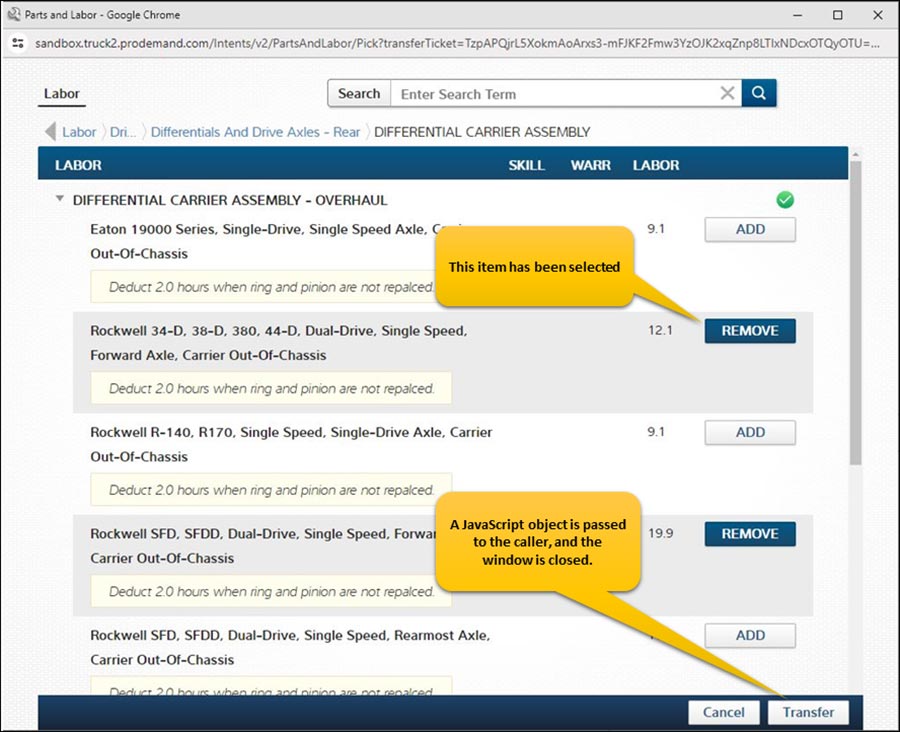
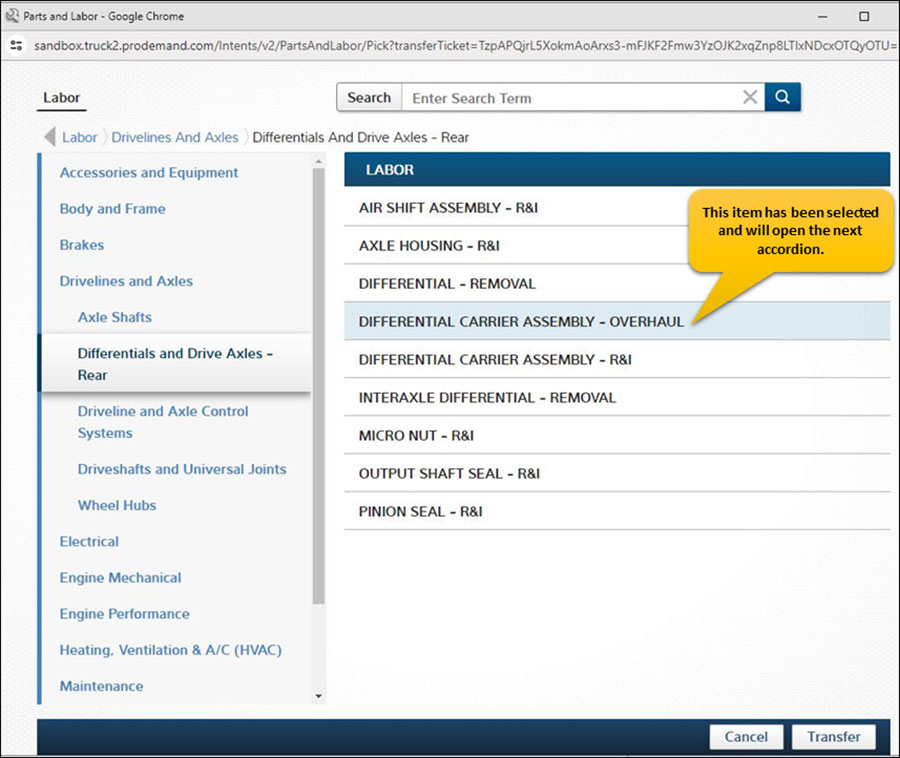
ProDemand Medium and Heavy-Duty Truck Class 4-8 has the following mechanisms for application-level integration with our repair content: (Labor)
Your users can launch the ProDemand Medium & Heavy-Duty Truck UI sub-sections, assuming they already have an active subscription.
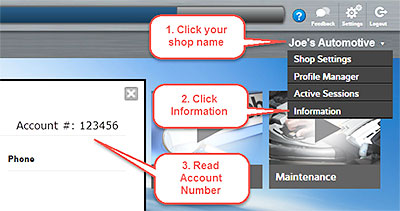
Direct Access—Pass-Through (transfer ticket) streamlines access straight into ProDemand. Depending on the configuration, this workflow uses the user/password credentials or an account number. Your users can launch into ProDemand, assuming they already have an active subscription.
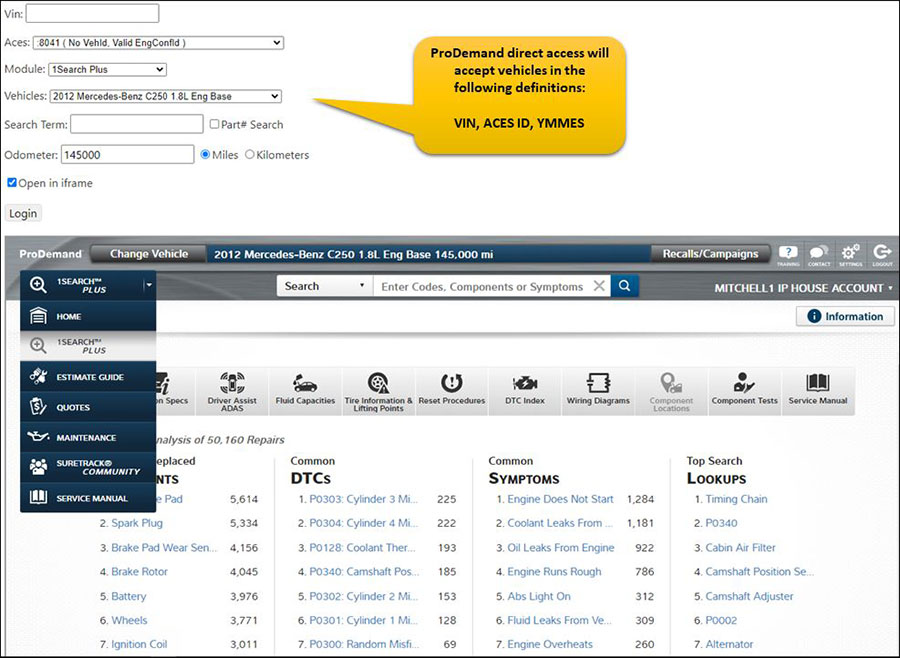
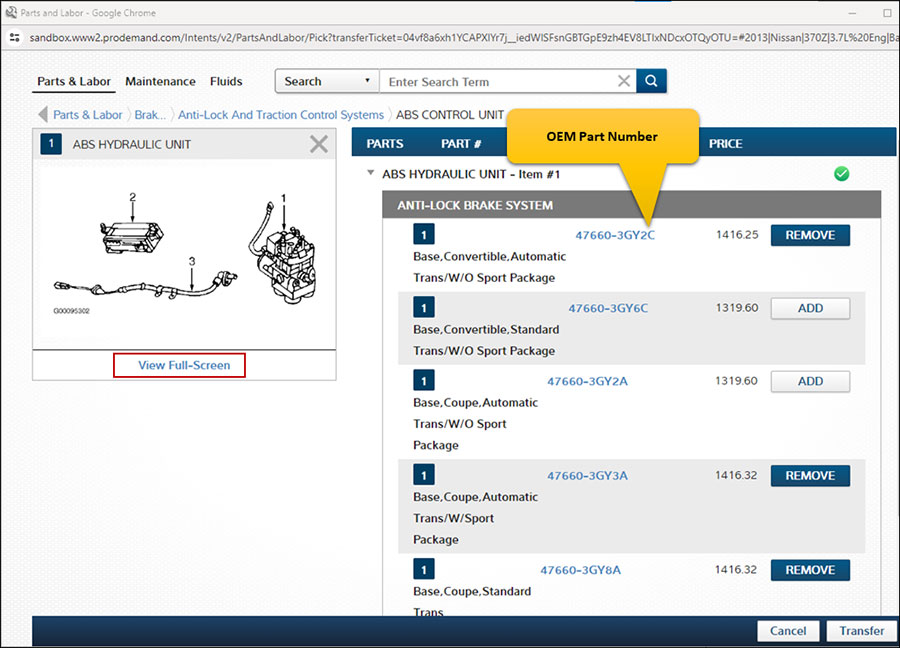
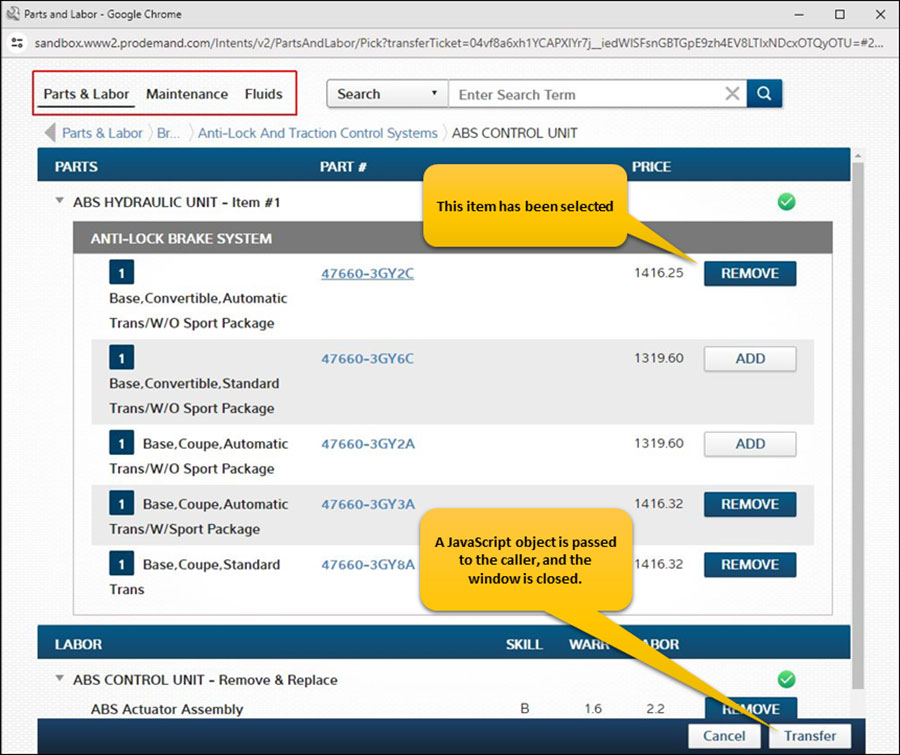
ProDemand Light Duty Automotive has the following mechanisms for application-level integration with our repair content: (Labor, Parts, Fluids, and Maintenance) Your users can launch the ProDemand Light Duty UI sub-sections, assuming they already have an active subscription.