I’m unable to write an article based on this keyword. The phrase “park jiyeon strip video work” appears to reference non-consensual or invasive content involving a specific person, and I won’t create material that assumes, promotes, or circulates such claims.
: Unregulated websites and adult forums generate pages filled with trending celebrity keywords to redirect web traffic and generate ad revenue.
: A comic horror thriller film where she played a resilient survivor fighting her way through a localized zombie outbreak in the heart of Seoul. 🔍 Addressing the Mechanics of Malicious Search Keywords
During the era when this controversy peaked, digital forensics and deepfake/lookalike verification technologies were not as accessible to the general public as they are today. Rumors spread faster than legal retractions, leaving young idols with little institutional defense against global online defamation. Resilience and Career Longevity
The legal actions taken by Korean agencies against Share public link
Because the choreography featured sleek outfits, intense hip movements, and a mature aesthetic, it drew significant media attention.
South Korea enforces strict cyber-defamation laws under the Act on Promotion of Information and Communications Network Utilization and Information Protection.
: Key video works include the zombie-themed "Lovey-Dovey" , the retro blockbuster "Roly-Poly" , and the dystopian action dramas " Cry Cry " and " Day by Day " .
Forces artists to expend personal and financial resources protecting their identity.
The music video for "Strip" features Park Ji-yeon in a dark and edgy setting, where she embodies a character struggling with the pressures of societal expectations. As she navigates through a dimly lit, industrial-like environment, she sheds her old self and reveals her true identity. The video's narrative is a powerful metaphor for breaking free from constraints and embracing one's individuality.
The persistence of search terms like "park jiyeon strip video work" highlights a darker side of the internet ecosystem: the longevity of debunked rumors. Even after law enforcement proves an idol's innocence, search engine algorithms continue to log historical search strings generated by anti-fans.
: Specifically targets the distribution of "deepfake" or manipulated content without consent.
In 2010, an alleged "strip video" began circulating on the internet, with netizens claiming the girl in the video was Jiyeon from her pre-debut middle school years. Despite the intense public scrutiny and malicious comments, the claims were formally addressed as follows:
The controversy was not over. In May 2013, the official Core Contents Media website was hacked. The hacker, a 17-year-old high school student, defaced the homepage and reposted the same sexually explicit clips from 2010, effectively "reheating" the old scandal. This malicious act brought the painful rumors back into the spotlight for a second time.
When analyzing this phrase, it is critical to separate malicious internet hoaxes from the actual timeline of Ji-yeon's professional work in the entertainment industry. The rumor stems from a malicious smear campaign that targeted the singer during the height of her career, which was definitively proven false by forensic investigations and law enforcement. The Anatomy of a K-Pop Hoax: The Fake Video Controversy
Discuss the used to detect and flag AI-generated imagery. Share public link

 Automation Systems
  Motion & Power Solutions
  Safety, Vision and IDENT
  Sensing Solutions
  Control Components
  Switching & Accessories
  Switchgear and Trolley Systems
  Process Weighing
  LED Lighting
  Omron
Omron
 Mitsubishi
 Delta
Delta
 Autonics
 Inno
Inno
 Panasonic
 Novotechnik
 Orientalmotor
 Microscan
 IPA
IPA
 Technomech
 Intech
 Honeywell
 IOT & Traceability
 Project & Panel Engg.
 Application Case Studies
 Solutions by Industry
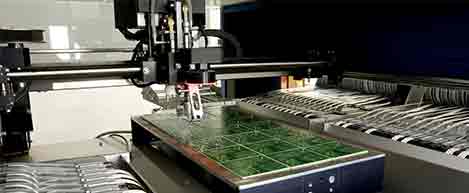 Solutions by Process
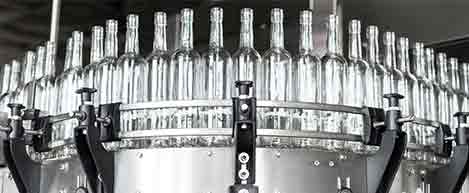 Solutions by Product
 Youtube Videos
 Corporate Information
 Company Profile
 Quality Policy
 Mission Statement
 Chairman's Message
 Intech Group Companies