A clear cover protects the pulling area from external air currents, which can otherwise cause inconsistent cooling and tip deformation.
Several academic institutions and biophysics forums host "abandoned manual" libraries.
Adjust the second heater dial value, which determines the final tip sharpness. Step 4: Initiating the Pull Press the Start button.
The Narishige PC-10 manual is more than just a guide; it's a key to unlocking the full potential of this versatile laboratory instrument. Whether you're new to the device or looking to explore its advanced features, understanding and utilizing the manual effectively is crucial. By embracing the insights and guidelines provided, researchers can enhance their experimental precision, achieve better results, and contribute to the advancement of scientific knowledge. The "new" aspects of the Narishige PC-10 manual not only reflect updates and improvements but also symbolize the ongoing commitment to excellence and innovation in laboratory practices.
Before powering on the unit, familiarize yourself with the front panel controls and mechanical linkages:
Built-in adjustable weight stack for controlling pulling force. 2. Unboxing and Installation Setup
: Regular maintenance and prompt troubleshooting of issues are vital for the longevity of the device. The manual offers valuable advice on both.
For hardcore vintage fans, there is also a community-driven GitHub repository called "PC-10 Revival Guide," which includes:
Understanding the physical layout and control interface is necessary before executing a pull. Physical Components
Before diving into the manual, it helps to understand why the PC-10 requires such specific documentation. Unlike modern programmable pullers (like the Sutter P-97 or Narishige’s own PC-100), the PC-10 operates on a simple but precise principle:
1.0 mm to 2.0 mm outer diameter (OD) glass capillaries.
: It used a stabilized power source to ensure the heating coil delivered the exact same amount of current every time, a critical feature for reproducibility.
Check the nichrome heater coil daily for distortion, sagging, or carbon buildup. If the coil shape is uneven, replace it using the official Narishige replacement parts.
Connect the unit to a suitable power source, ensuring the voltage matches the device specifications.
Last updated: October 2025. If you have a verified clean copy of the PC-10 manual to share, please contact the author via this publication.
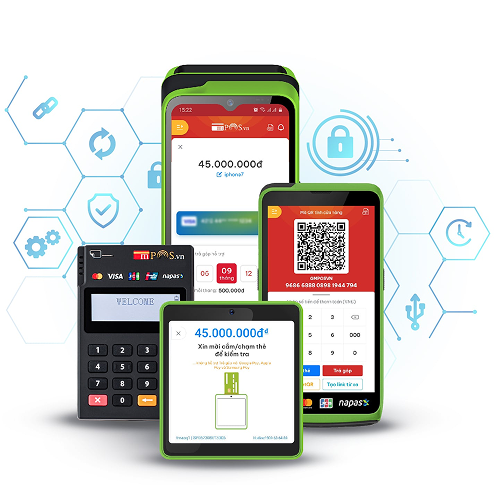
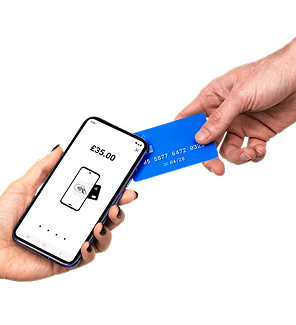
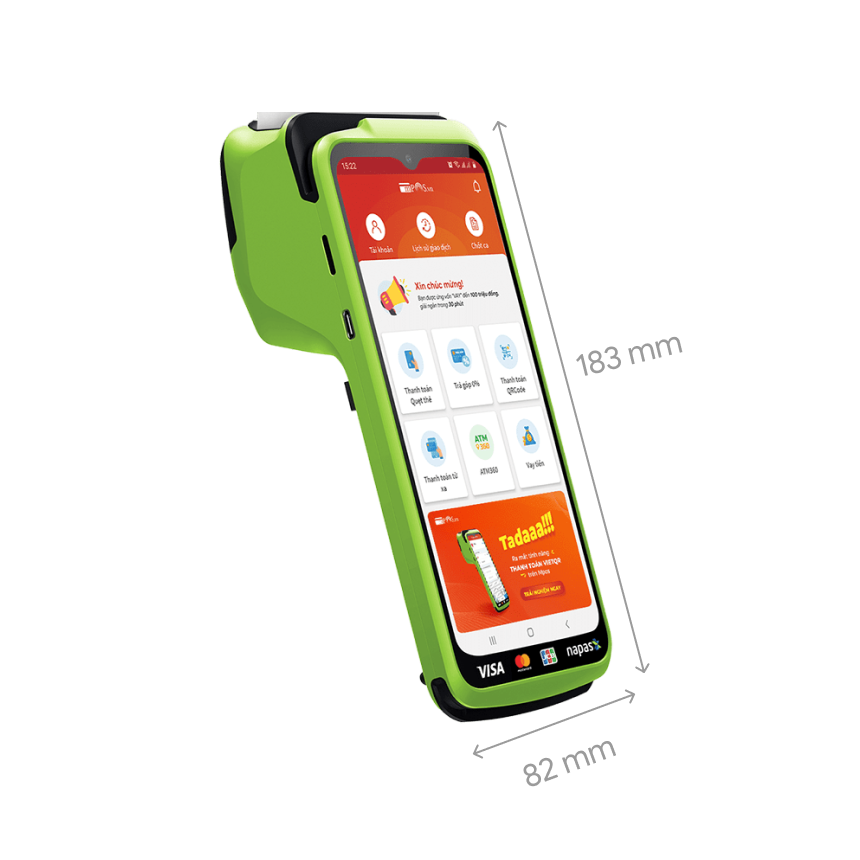
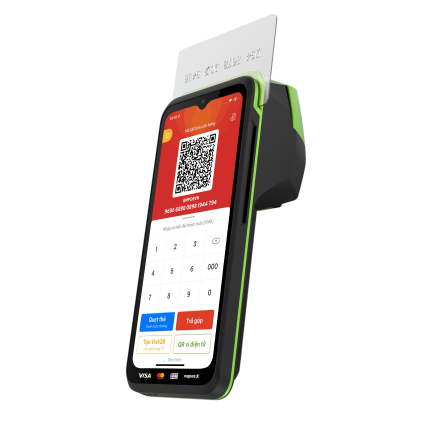
Chấp nhận thanh toán không tiếp xúc chỉ bằng smartphone, hoặc lựa chọn từ dải sản phẩm máy POS di động thông minh của chúng tôi.
Được tin dùng bởi hơn +500.000 doanh nghiệp và chủ shop
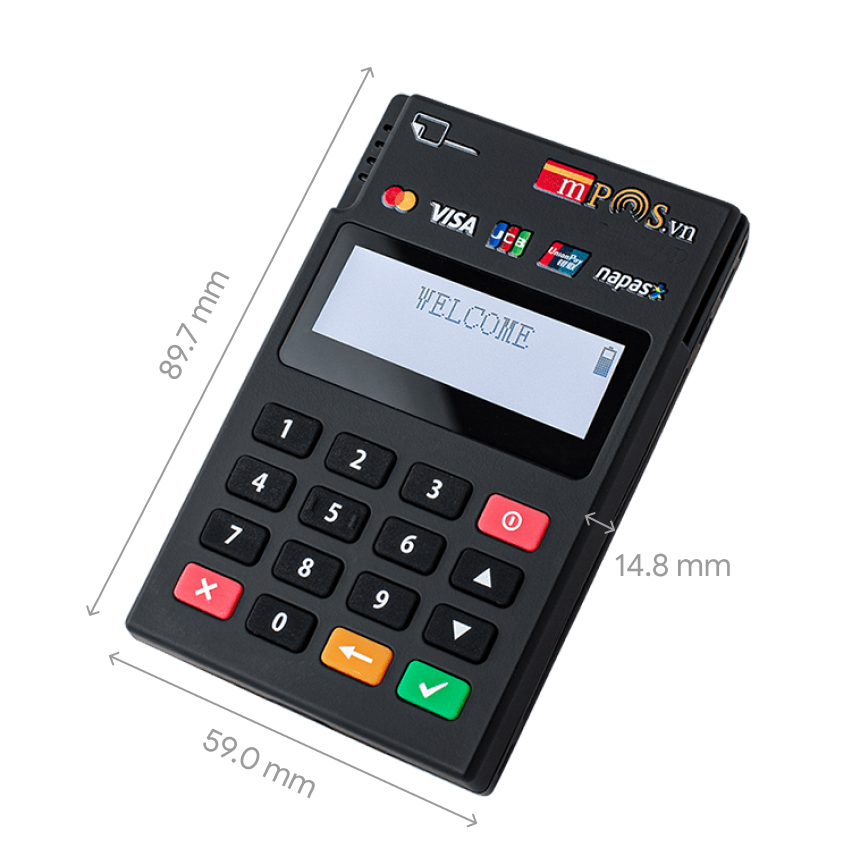
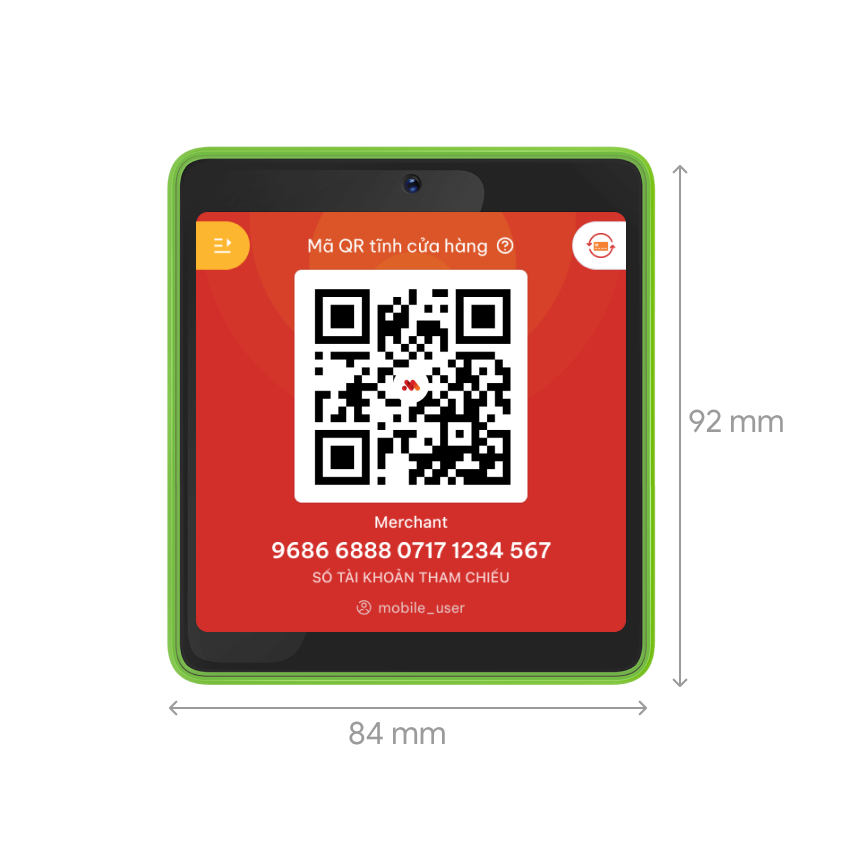
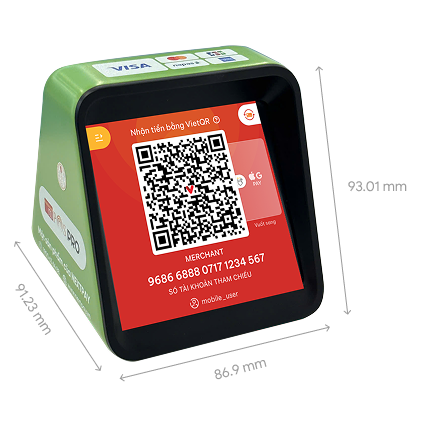
Từ di động, nhỏ gọn đến các giải pháp máy POS toàn diện. Chúng tôi
có mọi thứ bạn cần để phát
triển.
Tập trung vào kinh doanh, mPOS lo việc thanh toán.
Có nhân viên hỗ trợ tận nơi, Đăng ký nhanh chóng. Duyệt hồ sơ trong ngày và bắt đầu nhận thanh toán ngay trong ngày.
Chỉ từ 0.8% - 2.5% cho mọi giao dịch. Không phí ẩn, không cam kết doanh thu. Minh bạch trên từng giao dịch.
Tiền về tài khoản theo lệnh rút hoặc chỉ sau 1 ngày làm việc. Tối ưu hóa dòng tiền cho doanh nghiệp của bạn.
Tải ứng dụng để quản lý và chấp nhận thanh toán ngay trên điện thoại của bạn.
mPOS liên kết với hầu hết các Ngân hàng, tổ chức thẻ & tổ chức tài chính để cung cấp cho bạn phương thức thanh toán tốt nhất.


Hơn 100.000 các Doanh nghiệp và Cửa hàng trong mọi lĩnh vực kinh doanh đã sử dụng mPOS và rất hài lòng về dịch vụ của chúng tôi
A clear cover protects the pulling area from external air currents, which can otherwise cause inconsistent cooling and tip deformation.
Several academic institutions and biophysics forums host "abandoned manual" libraries.
Adjust the second heater dial value, which determines the final tip sharpness. Step 4: Initiating the Pull Press the Start button.
The Narishige PC-10 manual is more than just a guide; it's a key to unlocking the full potential of this versatile laboratory instrument. Whether you're new to the device or looking to explore its advanced features, understanding and utilizing the manual effectively is crucial. By embracing the insights and guidelines provided, researchers can enhance their experimental precision, achieve better results, and contribute to the advancement of scientific knowledge. The "new" aspects of the Narishige PC-10 manual not only reflect updates and improvements but also symbolize the ongoing commitment to excellence and innovation in laboratory practices.
Before powering on the unit, familiarize yourself with the front panel controls and mechanical linkages:
Built-in adjustable weight stack for controlling pulling force. 2. Unboxing and Installation Setup
: Regular maintenance and prompt troubleshooting of issues are vital for the longevity of the device. The manual offers valuable advice on both.
For hardcore vintage fans, there is also a community-driven GitHub repository called "PC-10 Revival Guide," which includes:
Understanding the physical layout and control interface is necessary before executing a pull. Physical Components
Before diving into the manual, it helps to understand why the PC-10 requires such specific documentation. Unlike modern programmable pullers (like the Sutter P-97 or Narishige’s own PC-100), the PC-10 operates on a simple but precise principle:
1.0 mm to 2.0 mm outer diameter (OD) glass capillaries.
: It used a stabilized power source to ensure the heating coil delivered the exact same amount of current every time, a critical feature for reproducibility.
Check the nichrome heater coil daily for distortion, sagging, or carbon buildup. If the coil shape is uneven, replace it using the official Narishige replacement parts.
Connect the unit to a suitable power source, ensuring the voltage matches the device specifications.
Last updated: October 2025. If you have a verified clean copy of the PC-10 manual to share, please contact the author via this publication.

Mọi thắc mắc của bạn đều có ở đây.
Hãy nhấn vào link Đăng ký và để lại thông tin liên hệ chúng tôi sẽ liên hệ với bạn ngay khi nhận được thông tin.
mPOS chấp nhận tất cả các loại thẻ phổ biến (Visa, Mastercard, JCB, NAPAS...) và hầu hết các mã QR (Ngân hàng, VNPay, Momo, ZaloPay, ShopeePay...).
Chúng tôi cam kết tiền sẽ về tài khoản ngân hàng bạn đã đăng ký trong ngày theo lệnh rút hoặc vào ngày làm việc tiếp theo (T+1), giúp bạn xoay vòng vốn nhanh chóng.
Chi phí thiết bị rất cạnh tranh tùy theo dòng máy. Đặc biệt, giải pháp Tap to Pay trên điện thoại là hoàn toàn miễn phí, bạn chỉ trả phí khi có giao dịch thành công.
Các máy POS di động của chúng tôi có dung lượng pin lớn, có thể xử lý hàng trăm giao dịch hoặc hoạt động liên tục cả ngày chỉ với một lần sạc đầy.