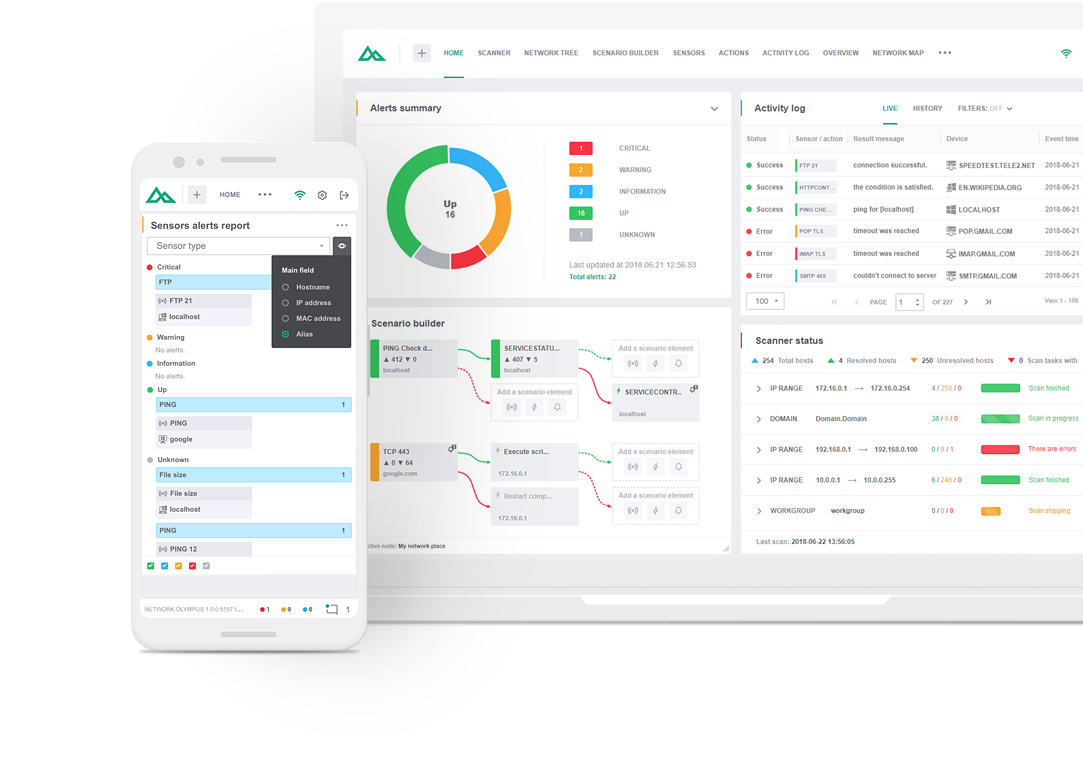
Network Olympus: Monitoring
Allows you to perform continuous real-time monitoring of servers.
Version: 1.8.3 - April 16, 2025 - All Windows
However, such power comes with responsibility. Maintaining a custom installation requires a dedicated team of developers, system administrators, and instructional designers. For many schools, this may be a worthwhile investment, leading to a digital ecosystem that perfectly mirrors their unique educational mission. For others, the total cost of ownership may steer them toward managed solutions. The "Paula Custom68 39link" model provides the tools; the choice of how to wield them remains a strategic decision for each educational institution.
The Paula Custom68 39Link39 install model is a unique approach to education that has gained popularity in recent years. This model focuses on creating a personalized learning experience for each student, using a combination of technology and innovative teaching methods.
To guarantee long-term stability and high utility, system administrators should track deployment performance using specific structural variables: Operational Phase Parameter Focus Target Benchmark Schema Integrity 100% Path Validation 39Link Binding Node Communication Latency < 15ms System Run-Time Resource Overhead Less than 12% CPU Load Troubleshooting Common Path Conflicts
Traditional school models have long been criticized for their rigid structures, often prioritizing rote memorization over critical thinking and creativity. In contrast, modern school models focus on creating learning environments that are adaptable, engaging, and tailored to individual students' needs. These models recognize that every student learns differently and that a one-size-fits-all approach is inadequate. By incorporating flexibility, autonomy, and technology, schools can empower students to take ownership of their learning, develop essential life skills, and achieve academic success.
Before beginning the installation of a "Paula Custom68 39link" model, careful planning and preparation are essential. A successful deployment requires:
Here’s what the "39link" integration enables:
In the modern educational landscape, managing student data, curricular, and administrative tasks requires robust, tailored software. The platform has emerged as a reliable solution for schools seeking a customized management experience.
The "install" phase is a critical component of Paula's custom school model. This phase involves the practical implementation of the model's key principles, requiring a significant shift in mindset, infrastructure, and resources. Here are some key considerations for the "install" phase:
Automatically syncing student information with third-party software.
This framework is not a finished product but a blueprint—a powerful starting point for building a school's ideal digital environment.
: A significant aspect of this approach is the integration of technology to facilitate learning. This includes the use of digital platforms, educational software, and online resources to create an interactive and immersive learning environment.
If the search was intended to find information regarding legitimate educational frameworks or school organizational models, using official academic databases or government education department websites is recommended.
However, such power comes with responsibility. Maintaining a custom installation requires a dedicated team of developers, system administrators, and instructional designers. For many schools, this may be a worthwhile investment, leading to a digital ecosystem that perfectly mirrors their unique educational mission. For others, the total cost of ownership may steer them toward managed solutions. The "Paula Custom68 39link" model provides the tools; the choice of how to wield them remains a strategic decision for each educational institution.
The Paula Custom68 39Link39 install model is a unique approach to education that has gained popularity in recent years. This model focuses on creating a personalized learning experience for each student, using a combination of technology and innovative teaching methods.
To guarantee long-term stability and high utility, system administrators should track deployment performance using specific structural variables: Operational Phase Parameter Focus Target Benchmark Schema Integrity 100% Path Validation 39Link Binding Node Communication Latency < 15ms System Run-Time Resource Overhead Less than 12% CPU Load Troubleshooting Common Path Conflicts
Traditional school models have long been criticized for their rigid structures, often prioritizing rote memorization over critical thinking and creativity. In contrast, modern school models focus on creating learning environments that are adaptable, engaging, and tailored to individual students' needs. These models recognize that every student learns differently and that a one-size-fits-all approach is inadequate. By incorporating flexibility, autonomy, and technology, schools can empower students to take ownership of their learning, develop essential life skills, and achieve academic success. school models paula custom68 39link39 install
Before beginning the installation of a "Paula Custom68 39link" model, careful planning and preparation are essential. A successful deployment requires:
Here’s what the "39link" integration enables:
In the modern educational landscape, managing student data, curricular, and administrative tasks requires robust, tailored software. The platform has emerged as a reliable solution for schools seeking a customized management experience. However, such power comes with responsibility
The "install" phase is a critical component of Paula's custom school model. This phase involves the practical implementation of the model's key principles, requiring a significant shift in mindset, infrastructure, and resources. Here are some key considerations for the "install" phase:
Automatically syncing student information with third-party software.
This framework is not a finished product but a blueprint—a powerful starting point for building a school's ideal digital environment. For others, the total cost of ownership may
: A significant aspect of this approach is the integration of technology to facilitate learning. This includes the use of digital platforms, educational software, and online resources to create an interactive and immersive learning environment.
If the search was intended to find information regarding legitimate educational frameworks or school organizational models, using official academic databases or government education department websites is recommended.