KingRoot 4.1 is most effective on devices running Android 4.2.2 through Android 5.1.
Launch the app and click the "Try to Root" button.
apps to verify your results. Suggest safe apps to remove bloatware once you've rooted.
Despite its undeniable convenience, the developer community—most notably on forums like XDA Developers—viewed KingRoot 4.1 with intense skepticism. Several major issues plagued the utility: 1. Closed-Source Architecture
Version 4.1, which gained massive popularity around 2015, specifically targeted devices running Android 4.4 (KitKat) and early versions of Android 5.0 (Lollipop). For millions of users with budget phones or carrier-locked devices, it represented the only viable method to achieve superuser status. How KingRoot 4.1 Worked: Exploit-as-a-Service
The Android ecosystem of the mid-2010s was a playground for customization. For power users, the ultimate goal was achieving "root access"—gaining administrative privileges over the Android operating system to bypass carrier restrictions, delete bloatware, and install specialized software.
Below is a comprehensive guide and retrospective article exploring KingRoot 4.1, its technical mechanics, compatibility, and modern security risks. What is KingRoot 4.1?
: Many devices require an unlocked bootloader before these tools can work; unlocking a bootloader typically erases all user data . Critical Risks & Warnings
, flag KingRoot and its companion apps as "Lotoor" malware or adware. Data Privacy Concerns
The server searched a massive database of known Linux kernel vulnerabilities (such as Towelroot or Master Key vulnerabilities) to find a match for that specific device.
: Over time, KingRoot evolved to bundle unwanted system optimizers, lock screens, and aggressive advertisements that degrade device performance.
Modern security software widely recognizes KingRoot as a . For instance, Malwarebytes has classified it as "Android/PUP.Rooter.Kingroot." A PUP is an application that, while not a virus, can negatively affect your device's performance or security, often by displaying intrusive ads, collecting user data, or installing other software without your explicit, informed consent. In 2023, Malwarebytes noted that with the escalated privileges a root app has, these programs can "gain access to much of Android’s functionality like sending SMS, recording conversations, installing additional malware, and other behaviors".
This article provides a detailed overview of Kingroot 4.1, its features, how it works, and the essential precautions to take. What is Kingroot 4.1?
Because it relies on unpatched security vulnerabilities to gain access, it is generally ineffective on modern Android versions (Android 6.0 and later) that have more robust security patches.
.png)

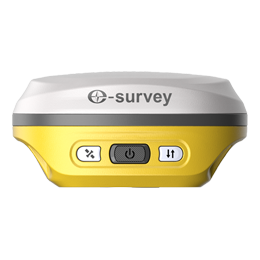 eRTK10 mini
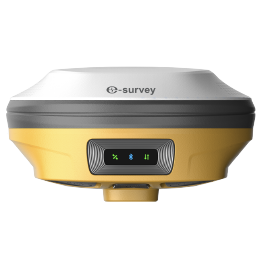 eRTK20
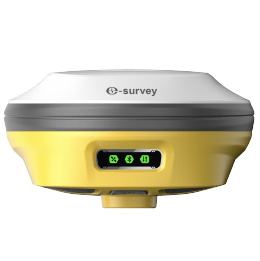 eRTK25
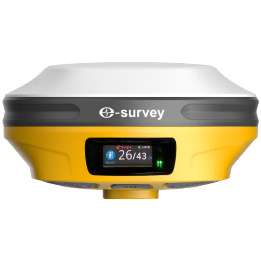 eRTK30
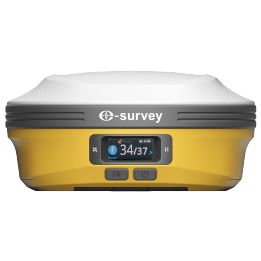 eRTK60
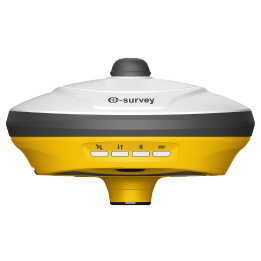 eBase 20
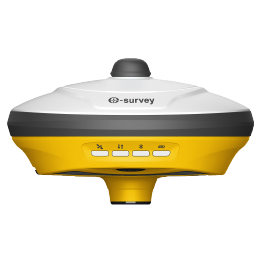 E200
E200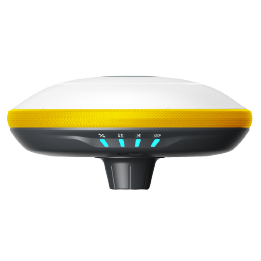 E300 Pro
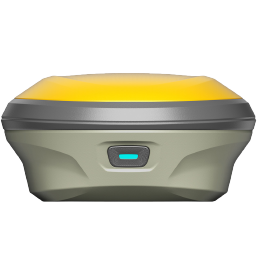 E500
E500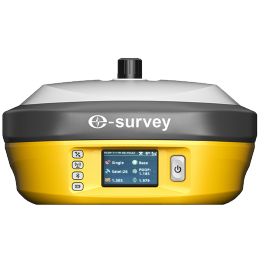 E800
E800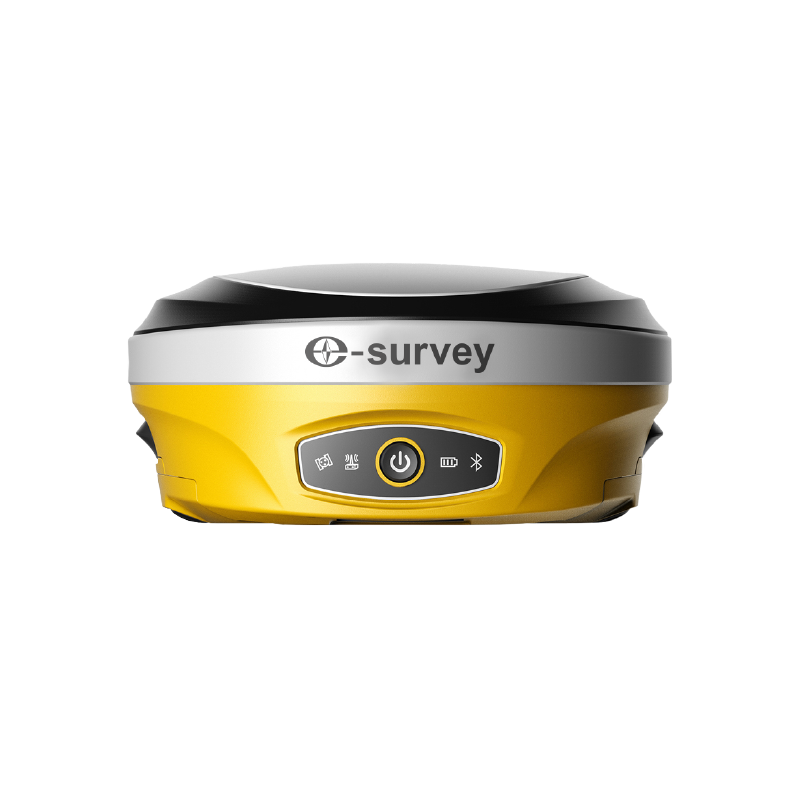 E600
E600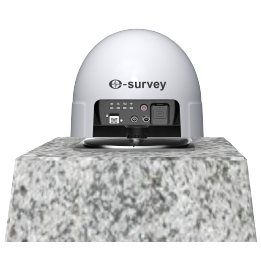 eDMR1
eDMR1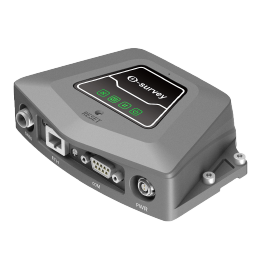 NET10
NET10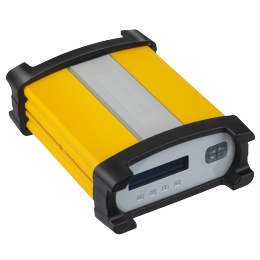 NET20 PLUS
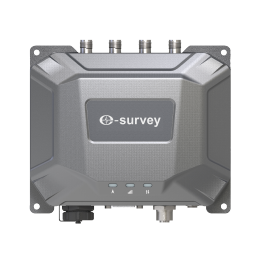 eHP10
eHP10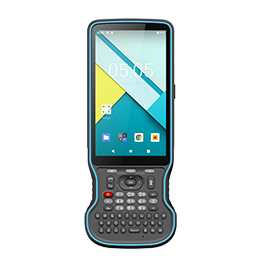 P8III
P8III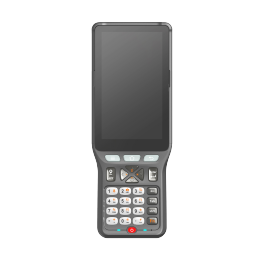 P9IV
P9IV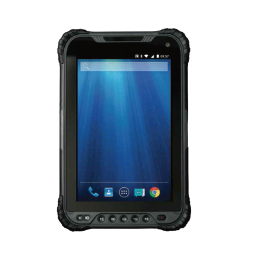 UT32
UT32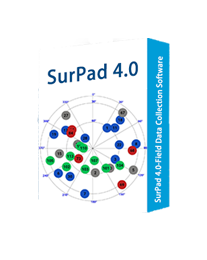 Surpad4.2
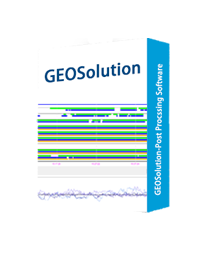 GEOSolution
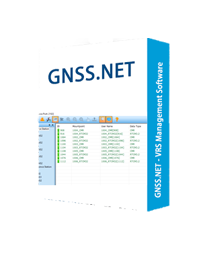 GNSS.NET
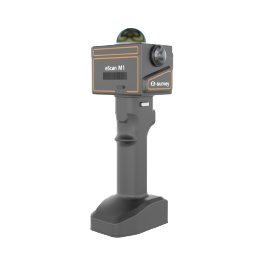 eScan M1
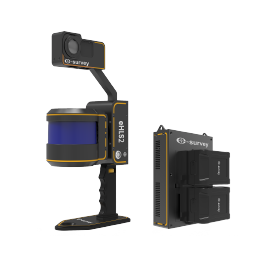 eHLS2
eHLS2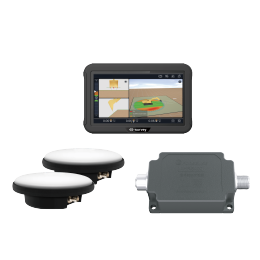 eME10
eME10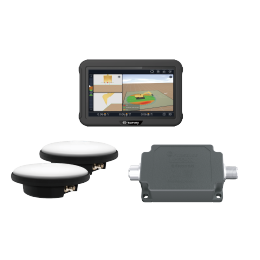 eME30
eME30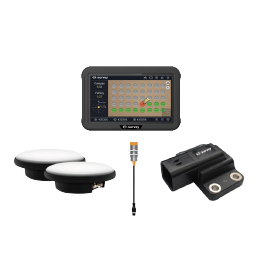 eMP10
eMP10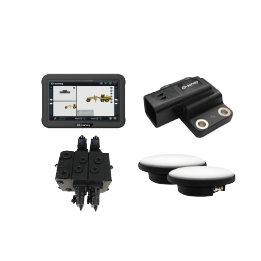 eMG30
eMG30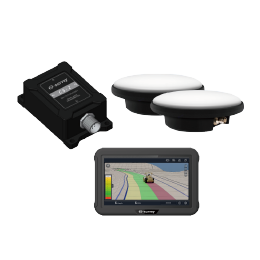 eMR10
eMR10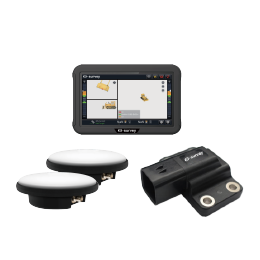 eMB10
eMB10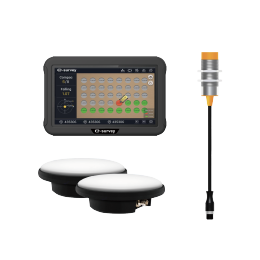 eMC10
eMC10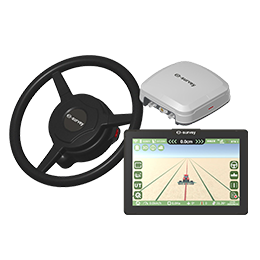 EAS502
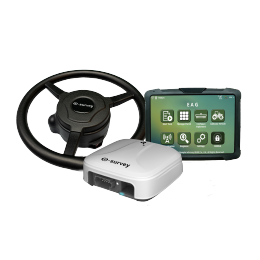 Bestar 301
 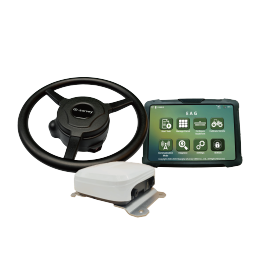 EAS301 Pro Motor
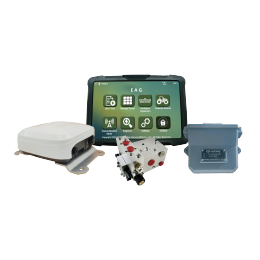 EAS301 Pro Hydraulic
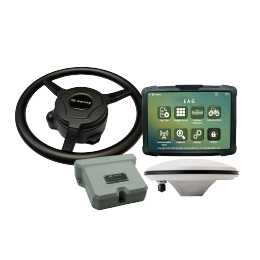 EAS100
 VE115
VE115 VE158
VE158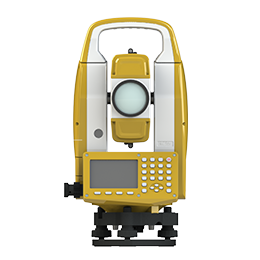 eTS32
eTS32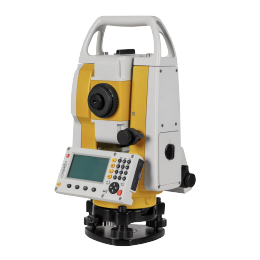 E3
E3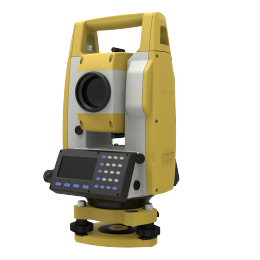 eTS2
eTS2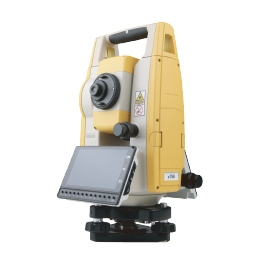 eTS8
eTS8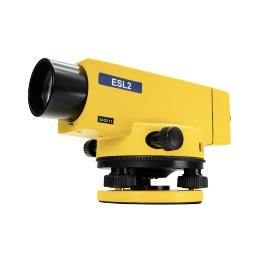 ESL2
ESL2 ESL3
ESL3 ET2A
ET2A TRU35
TRU35 UA91
UA91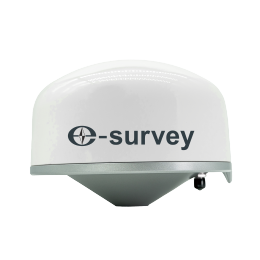 UA92
UA92 UA35
UA35