







Windows10protxt | Bit.ly
Stay safe, and don’t open random text files.
When you download and open that .txt file, one of three things happens:
The bit.ly/windows10protxt link leads to a plaintext batch script designed to bypass Windows 10 Pro activation by forcing connection to a rogue Key Management Service (KMS) server. This method involves injecting Generic Volume License Keys (GVLK) and presents significant security risks, including potential malware exposure and the use of temporary, non-legitimate licensing. For legitimate licensing information, visit Microsoft Support . Share public link
Instead of downloading an executable program (like an .exe file), users copy the text, paste it into a blank Notepad file, and save it as an executable batch file (e.g., activate.bat ). Running this file with Administrator privileges forces the operating system to execute the coded commands sequentially. How the Script Works: KMS Emulation bit.ly windows10protxt
This is the most common method for users who upgraded from a genuine Windows 7, 8, or 8.1 installation for free. In this case, your computer has a (or digital entitlement) linked to its hardware. When you reinstall Windows 10 Pro on the same device, it will automatically activate itself online. You don't need to enter a product key. You can verify this by navigating to Settings > Update & Security > Activation . If you see "Windows is activated with a digital license," you're all set. If you need to reinstall, simply skip the prompts to enter a product key, and Windows will automatically reactivate once you're online.
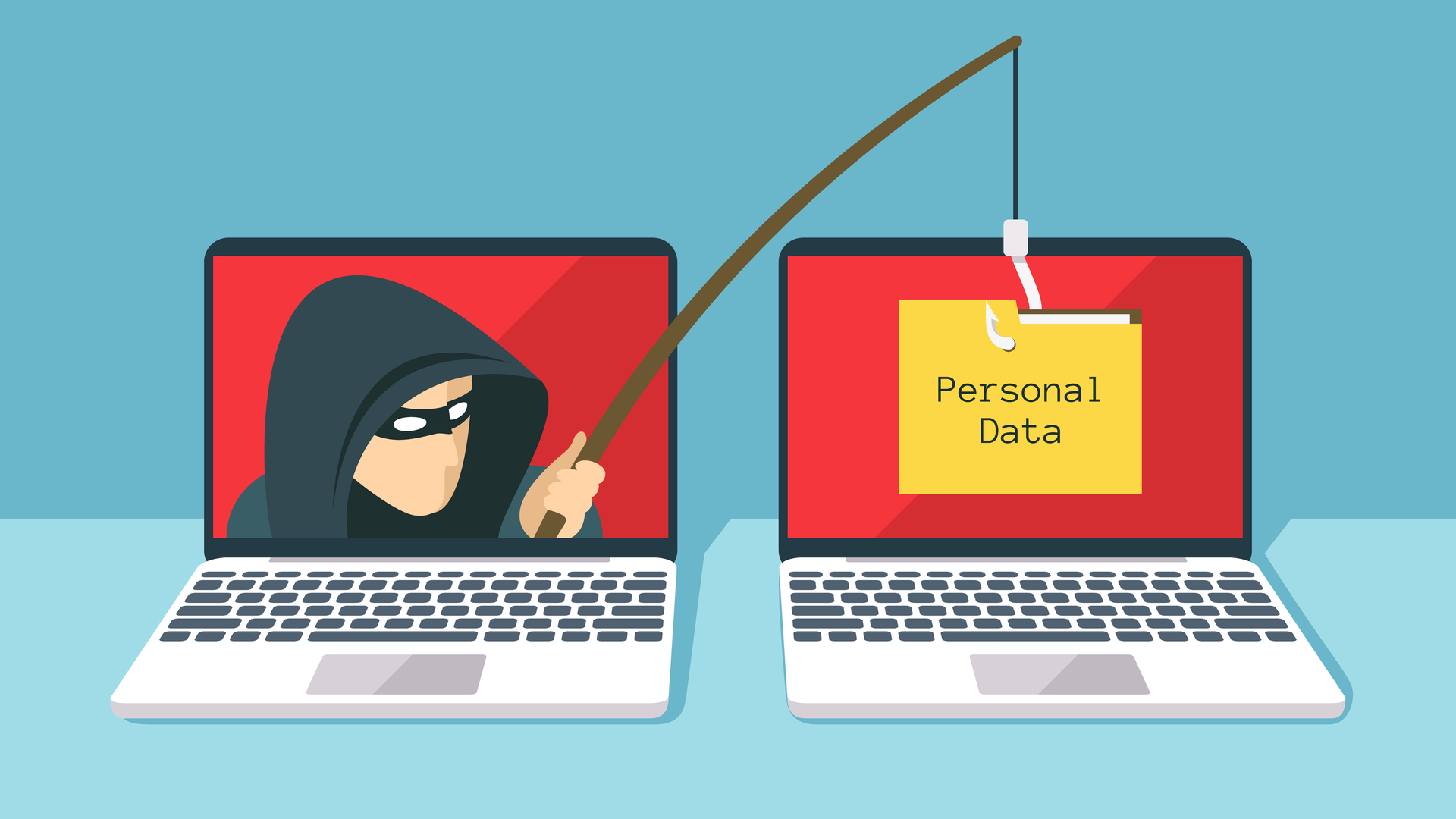
The inclusion of "bit.ly" in the search query is the most concerning part. Bitly is a popular URL shortening service. While legitimate, it's often used by malicious actors to hide the true destination of a link. A hacker could create a bit.ly link that appears to lead to a helpful windows10protxt file but instead redirects a user to:
If you need a fully activated Pro version for remote desktop, BitLocker encryption, or business policies, look into legal OEM (Original Equipment Manufacturer) keys . Reputable third-party technology retailers legally sell surplus OEM keys at steep discounts compared to retail pricing. Stay safe, and don’t open random text files
The underlying script relies on Microsoft's legitimate Key Management Service (KMS) framework. KMS is an activation model designed for corporate network administrators to activate large fleets of computers across a closed enterprise network. The script forces the operating system to substitute its licensing framework with public KMS client keys (Generic Volume License Keys, or GVLKs) provided by Microsoft for volume deployment. 2. Redirection to Public KMS Servers
The text file hidden behind the Bitly link is a plain-text collection of Windows Command Prompt (CMD) strings. When users copy this text, save it with a .bat or .cmd extension, and select , it executes a sequence of configuration commands. 1. Key Management Service (KMS) Emulation
VirusTotal will show you if any security engines flag the destination URL as malicious. This provides a comprehensive safety assessment from multiple antivirus vendors simultaneously. How the Script Works: KMS Emulation This is
If you're performing a clean installation from a USB drive or DVD, you can enter this key during the setup process.
Using unauthorized activation scripts, such as those found through unofficial shortened links, poses significant security risks, including malware installation and violation of software licensing agreements. For a secure and stable experience, it is recommended to use official, genuine activation methods for Windows 10 Pro.
The search term refers to a viral, unofficial method used to bypass Microsoft's activation system using a text script hosted on a Bitly shortened link. This technique leverages unauthorized Key Management Service (KMS) servers to activate Windows 10 Pro without purchasing a valid license key.
The keyword refers to a plain text file hosted online that contains a series of command-line codes. Users are typically instructed by third-party blogs or video tutorials to perform a specific sequence of actions: Copy the raw text from the Bitly link. Paste the text into a standard Notepad document.