Collect files in a temporary shelf, then move, share, or process
everything at once.
A shelf when you need it.
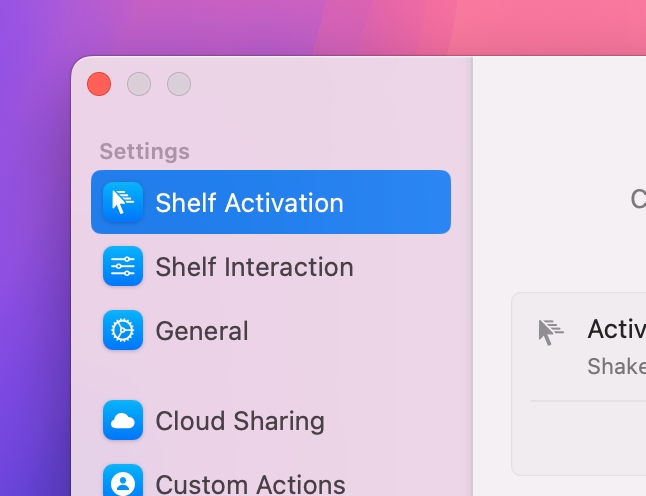
Shake your pointer to open a shelf. Drop files, links, text, or
images, then move everything in one pass.
Native by design
Dropover feels at home on macOS. The shelf appears when you need
it and stays out of the way when you don't.
Works with what you drag
Add folders, documents, images, links, text snippets, and web
images from your browser.
Manage your files
Preview, rename, reorder, or remove files directly on the shelf
without breaking your flow.
Fits your workflow
Name and color-code shelves, personalize behavior, and create
custom actions for repetitive tasks.
Instant Actions
Drop files on Instant Actions to run tasks immediately, with no
extra clicks.
Do more with every drop.
The shelf is more than a holding space. Share files, run actions,
upload to cloud services, and automate routine work.
Share in seconds
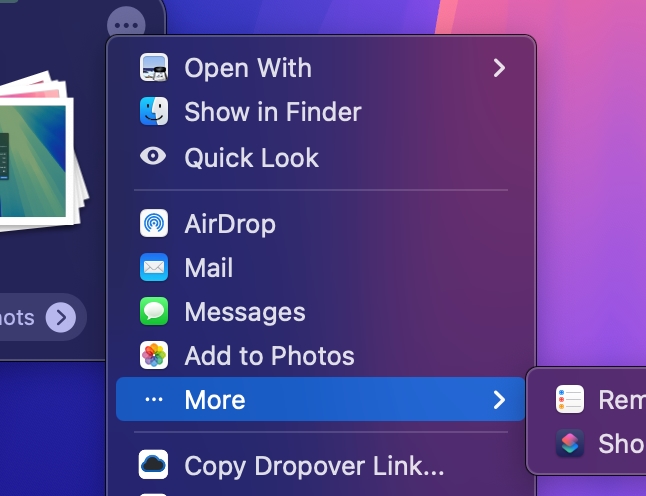
Send shelf items with Mail, Messages, AirDrop, or any app in the
macOS Share menu.
Built-in file actions
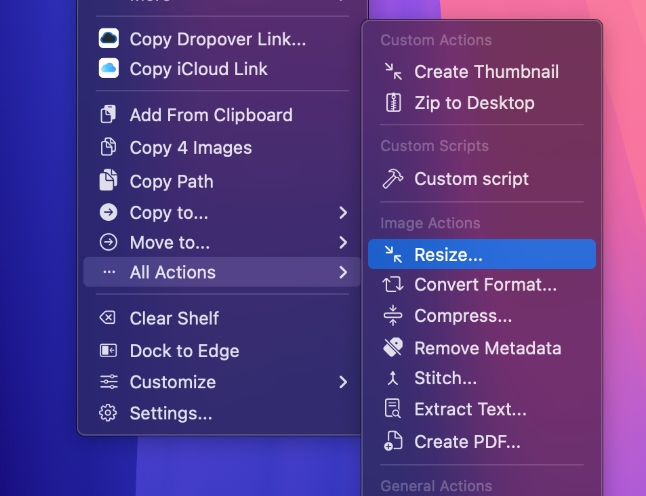
Resize images, extract text, create ZIP archives, and handle
common tasks without leaving the shelf.
Dropover Cloud
Upload once. Share instantly.
Cloud uploads
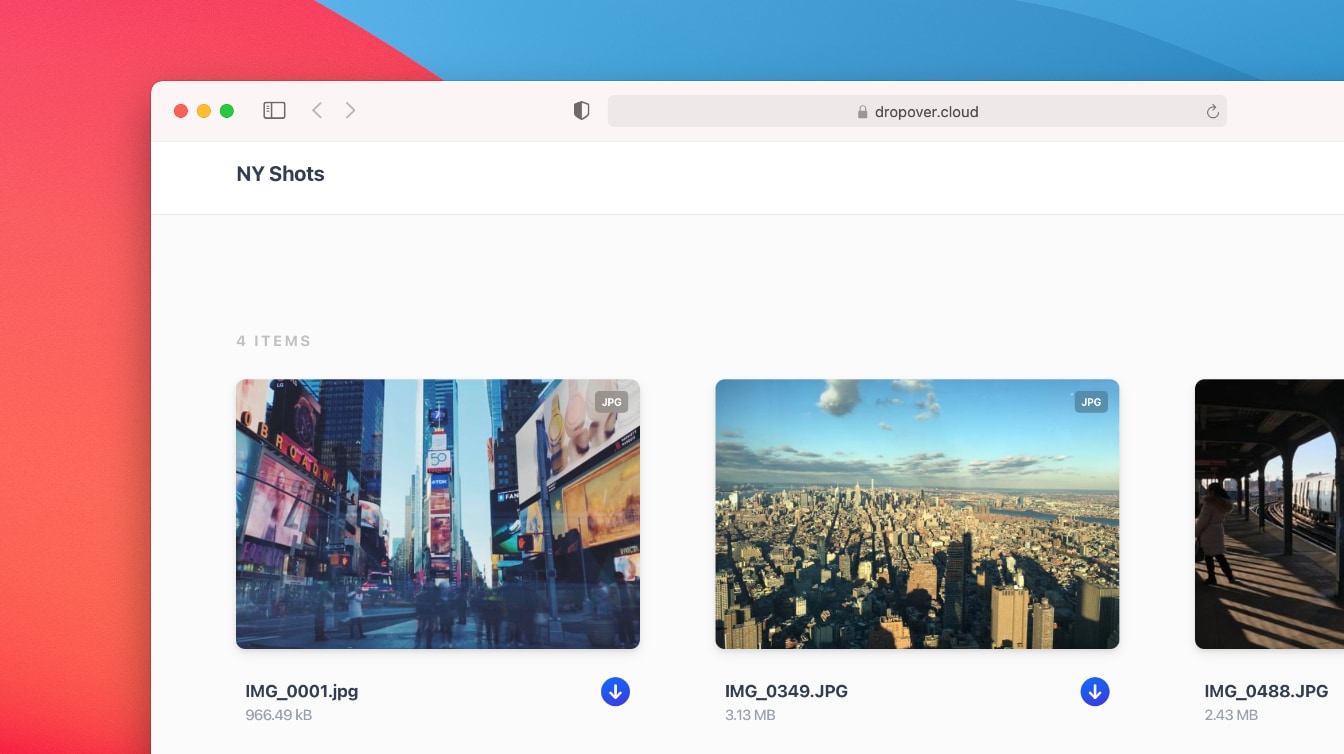
Upload files from the shelf with one click and copy a public link
instantly.
Use Dropover Cloud, or connect iCloud Drive, AWS S3, Google
Drive, Microsoft OneDrive, and Imgur.
Advanced controls
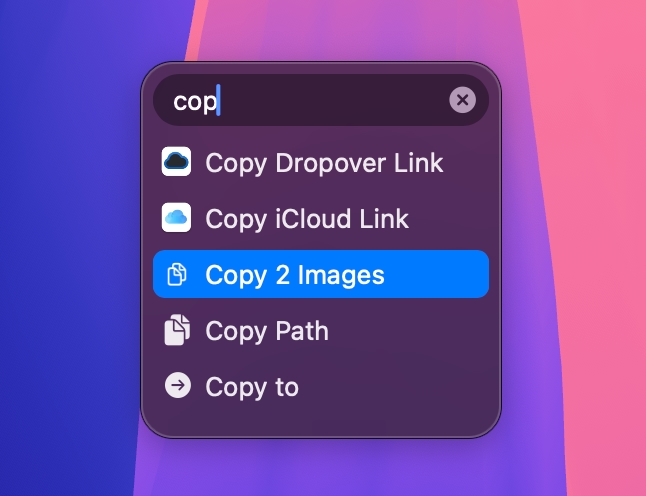
Use keyboard shortcuts, Command Bar, custom actions, and scripts
to move faster through repetitive work.
System simulation is a crucial aspect of modern engineering and scientific research, allowing researchers and practitioners to model, analyze, and optimize complex systems in a virtual environment. One of the pioneering books on this subject is "System Simulation" by Geoffrey Gordon, which has been widely used as a reference text in academia and industry. In this article, we will provide an in-depth review of the book, its contents, and its relevance to the field of system simulation. We will also discuss the availability of the book in PDF format and its implications for researchers and students.
Before Gordon’s contributions in the 1960s and 70s, modeling a system—whether it was a manufacturing line or a telephone switching network—required grueling manual calculations or highly specialized, one-off computer programs.
Discrete systems change state at specific points in time (e.g., a bank queue), while continuous systems change smoothly over time (e.g., water flowing through a pipe). System Attributes and Activities: Models are built using (objects in the system), attributes (properties of entities), and activities (processes that cause state changes). Stochastic vs. Deterministic Models:
The "objects" moving through a system (like cars in a traffic model).
Offers snippet views and citations that are useful for academic referencing.
Processes that take time (e.g., a server assisting a customer). 3. GPSS (General Purpose Simulation System)
For students, researchers, and vintage computing enthusiasts, obtaining a digital copy of Gordon’s work is highly valuable. Because the original book was published in the late 1960s (with a second edition in 1978), finding a physical copy can be difficult and expensive. Where to Look for Legitimate Digital Copies
You might wonder: Why are people looking for a PDF of a 50-year-old book instead of buying a new one?
We hope that this article has provided a comprehensive review of "System Simulation" by Geoffrey Gordon, and has highlighted its importance and relevance to the field of system simulation.
Introduces entities (transactions) into the simulation. QUEUE: Measures delays and line lengths.
A major focus of the book is . Unlike continuous simulation, which focuses on variables changing continuously over time, discrete simulation focuses on events occurring at specific points in time.
In an era of AI and digital twins, why is a decades-old book still in demand?
Early mainframe computers had severe memory and processing constraints. Gordon’s algorithms were masterclasses in optimization. Studying his original design parameters helps software developers write lighter, faster simulation code today. 3. Academic and Historical Research
Finding and Using the "System Simulation Geoffrey Gordon PDF"
Differentiation between modeling types. System Dynamics: Feedback structures and flow.
System Simulation Geoffrey Gordon Pdf -
System simulation is a crucial aspect of modern engineering and scientific research, allowing researchers and practitioners to model, analyze, and optimize complex systems in a virtual environment. One of the pioneering books on this subject is "System Simulation" by Geoffrey Gordon, which has been widely used as a reference text in academia and industry. In this article, we will provide an in-depth review of the book, its contents, and its relevance to the field of system simulation. We will also discuss the availability of the book in PDF format and its implications for researchers and students.
Before Gordon’s contributions in the 1960s and 70s, modeling a system—whether it was a manufacturing line or a telephone switching network—required grueling manual calculations or highly specialized, one-off computer programs.
Discrete systems change state at specific points in time (e.g., a bank queue), while continuous systems change smoothly over time (e.g., water flowing through a pipe). System Attributes and Activities: Models are built using (objects in the system), attributes (properties of entities), and activities (processes that cause state changes). Stochastic vs. Deterministic Models:
Offers snippet views and citations that are useful for academic referencing.
Processes that take time (e.g., a server assisting a customer). 3. GPSS (General Purpose Simulation System)
For students, researchers, and vintage computing enthusiasts, obtaining a digital copy of Gordon’s work is highly valuable. Because the original book was published in the late 1960s (with a second edition in 1978), finding a physical copy can be difficult and expensive. Where to Look for Legitimate Digital Copies System simulation is a crucial aspect of modern
You might wonder: Why are people looking for a PDF of a 50-year-old book instead of buying a new one?
We hope that this article has provided a comprehensive review of "System Simulation" by Geoffrey Gordon, and has highlighted its importance and relevance to the field of system simulation.
A major focus of the book is . Unlike continuous simulation, which focuses on variables changing continuously over time, discrete simulation focuses on events occurring at specific points in time.
In an era of AI and digital twins, why is a decades-old book still in demand?
Early mainframe computers had severe memory and processing constraints. Gordon’s algorithms were masterclasses in optimization. Studying his original design parameters helps software developers write lighter, faster simulation code today. 3. Academic and Historical Research
Finding and Using the "System Simulation Geoffrey Gordon PDF"
Differentiation between modeling types. System Dynamics: Feedback structures and flow.
Dropover Cloud
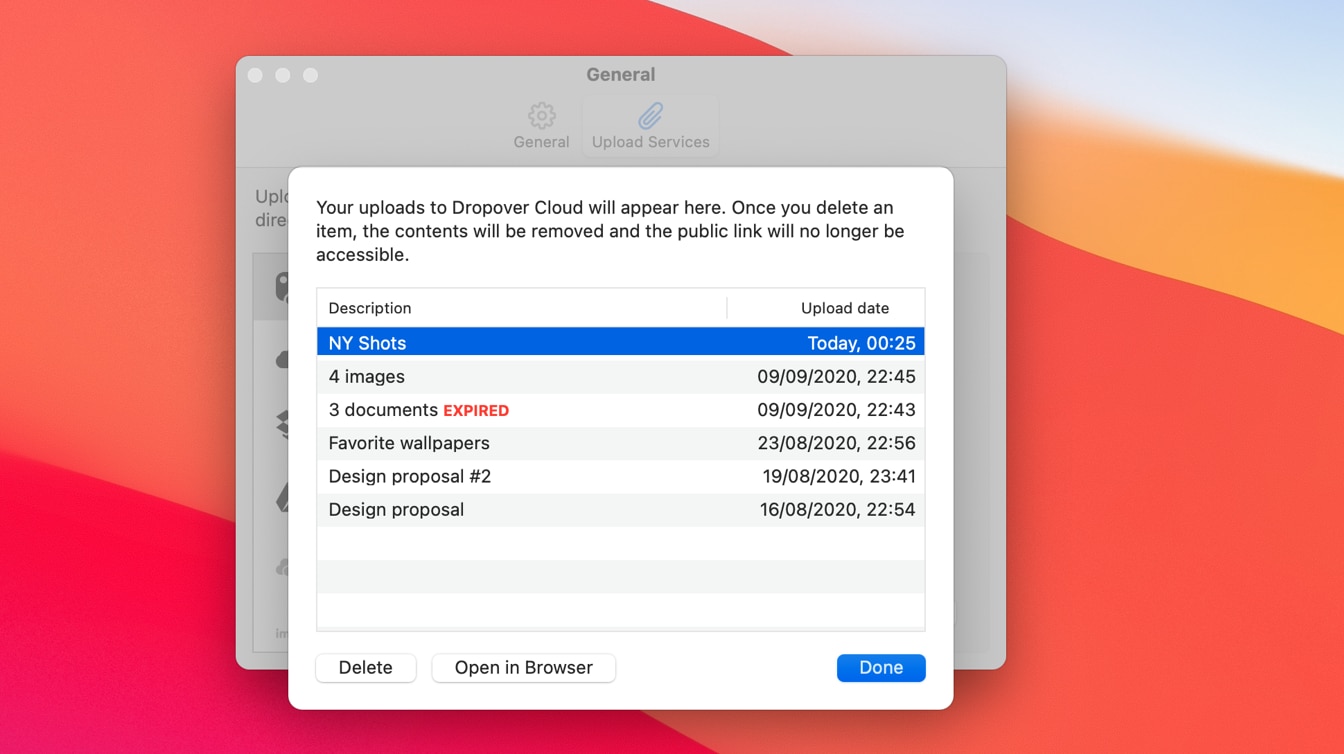
Instantly save your dragged content to the cloud and share the
link with anyone. Uploads are anonymous and do not require any
registration, and it's free.
Customize uploads
Set a title, add a password, set a custom expiration date or
change the link type for your uploads.
No clutter
Shared pages stay clean, with no branding, tracking, or ads.