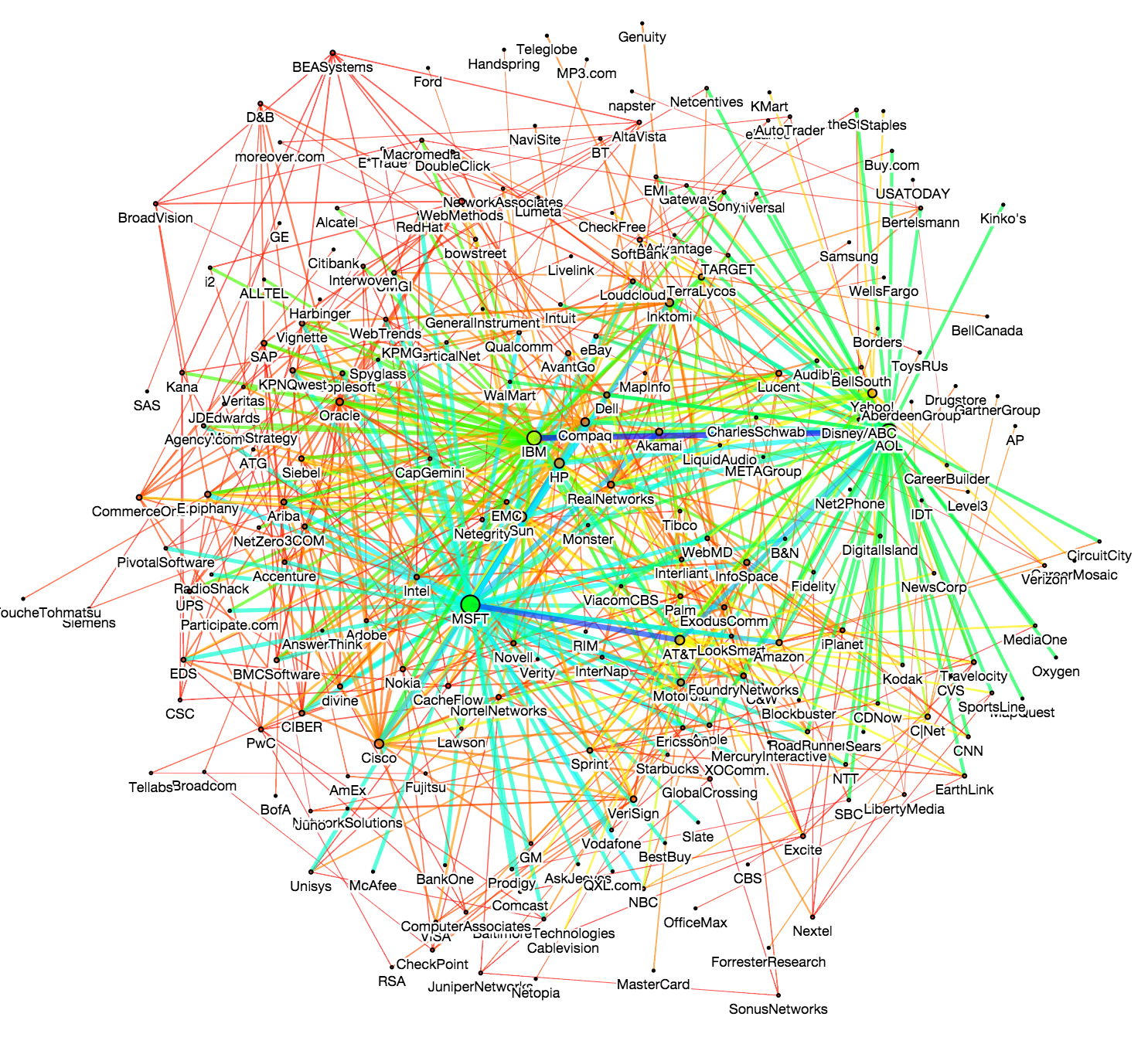
PGD is a parameterized library for parallel graphlet decomposition (also known as motif counting) with many flexible interchangeable components (e.g., ordering strategies, representation, approximate/exact variants, etc.).
It is fast, parallel, parameterized, modular, and easy-to-extend library for efficient graphlet counting.
If you are using a build system:
In the vast, humming ecosystem of digital systems, errors are our most honest messengers. They tell us exactly what went wrong — a missing semicolon, an unauthorized access attempt, a server timing out. But every so often, an error surfaces that feels different. It carries no obvious meaning. It references no known file, library, or component. It simply stares back from the terminal or log file like a riddle without a key.
Use Windows Backup or cloud services to protect your files.
Note: After clearing conflicting modules, restart your programming tool or deployment script to check if the path registers correctly. 3. Reconfigure Missing or Locked JTAG Pins
location /d9k19k try_files $uri $uri/ /handler.php?$args; d9k19k not found
When a key or resource is not found, don't crash. Return a 404, a null object, or trigger a fallback routine.
If you see d9k19k not found on a serial monitor or an LCD screen, it likely means:
If you can tell me (e.g., on a specific website, in a terminal, or in a textbook), I can help you decode what it might be referring to.
# Check if conflicting modules are actively loaded lsmod | grep ftdi # Unload the conflicting modules to free the port sudo rmmod ftdi_sio sudo rmmod usbserial Use code with caution. If you are using a build system: In
This public link is valid for 7 days and shares a thread, including any personal information you added. This link or copies made by others cannot be deleted. If you share with third parties, their policies apply. Can’t copy the link right now. Try again later.
: The term "K19" is sometimes used by system analysis tools (like Speccy) to represent certain families of AMD Zen 3 processors (such as the Ryzen 5000 series) when the software cannot properly identify the specific model. An error like "K19 not found" could theoretically appear if a driver or monitoring tool fails to detect the CPU architecture.
A more technical theory: d9k19k could be a corrupted string from a hash map or memory address. Under certain conditions, a pointer or key might be read incorrectly and printed as garbled text. If the original key was, say, data_key_19k , corruption could produce something like d9k19k .
Here’s a feature-style look into the mysterious error “d9k19k not found” — a seemingly random string that has popped up across developer forums, GitHub issues, and even niche gaming communities. It carries no obvious meaning
This comprehensive guide breaks down exactly what the error means, its primary technical causes, and step-by-step troubleshooting methods to restore system communication. Understanding the Core Causes of "d9k19k not found"
There is no public record of a research paper or technical document titled or containing that specific alphanumeric string as a primary identifier.
Choose a restore point dated before you first noticed the "d9k19k not found" error.
For Docker environments: Run docker-compose up --build to rebuild corrupted containers. Step 5: Clear System and Application Caches
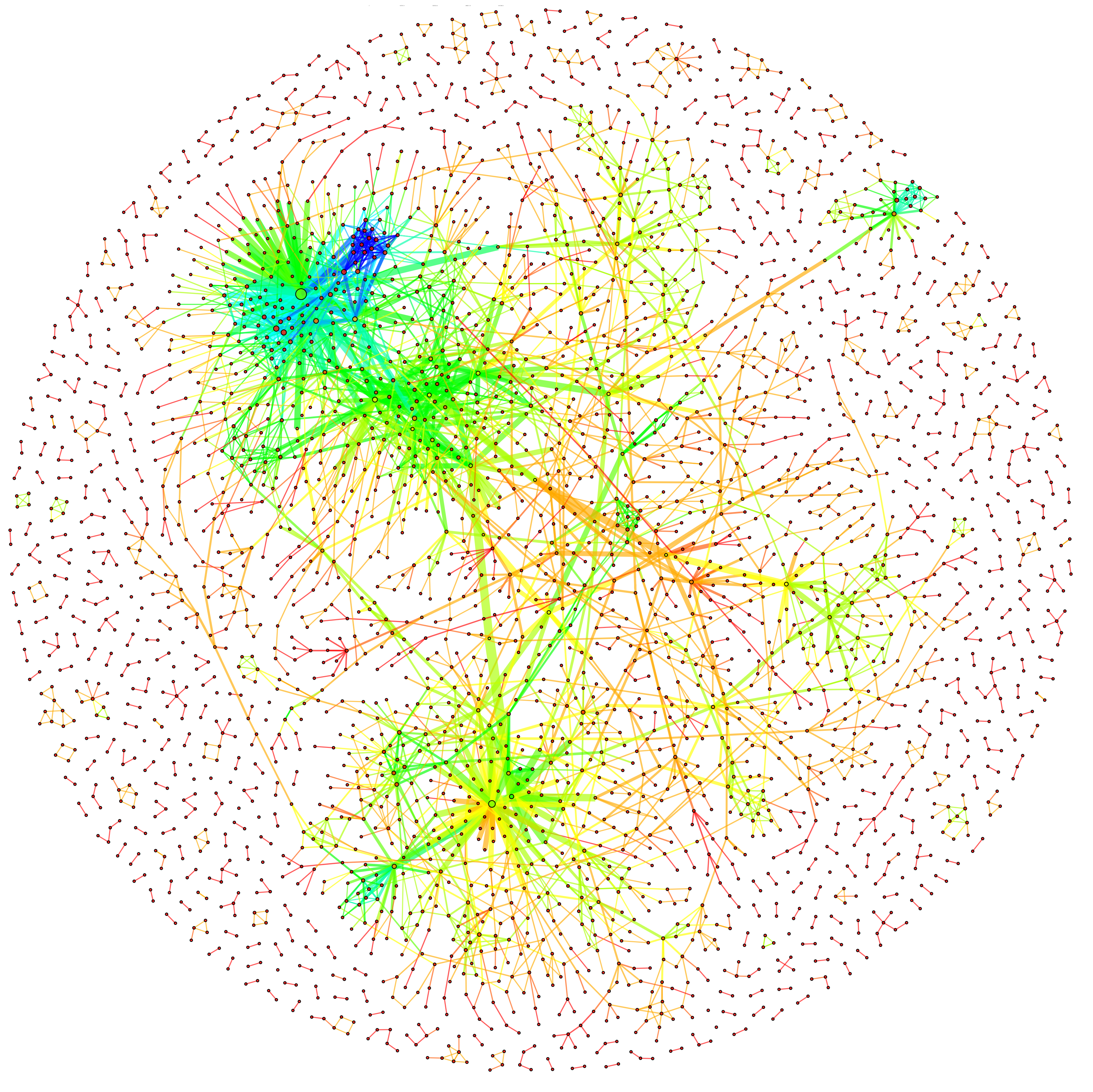
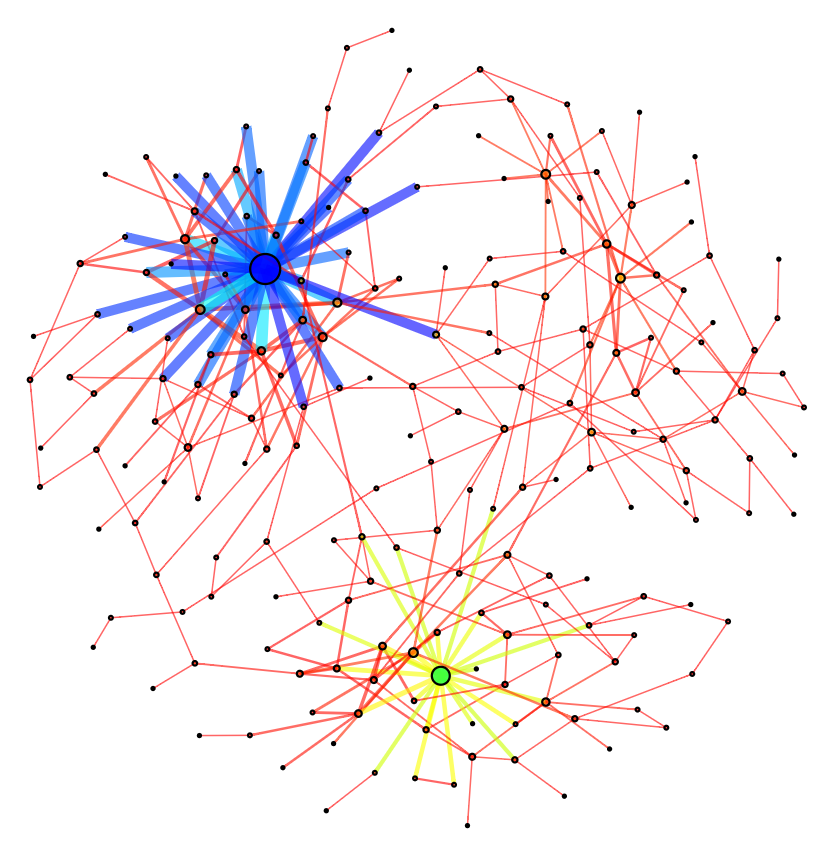
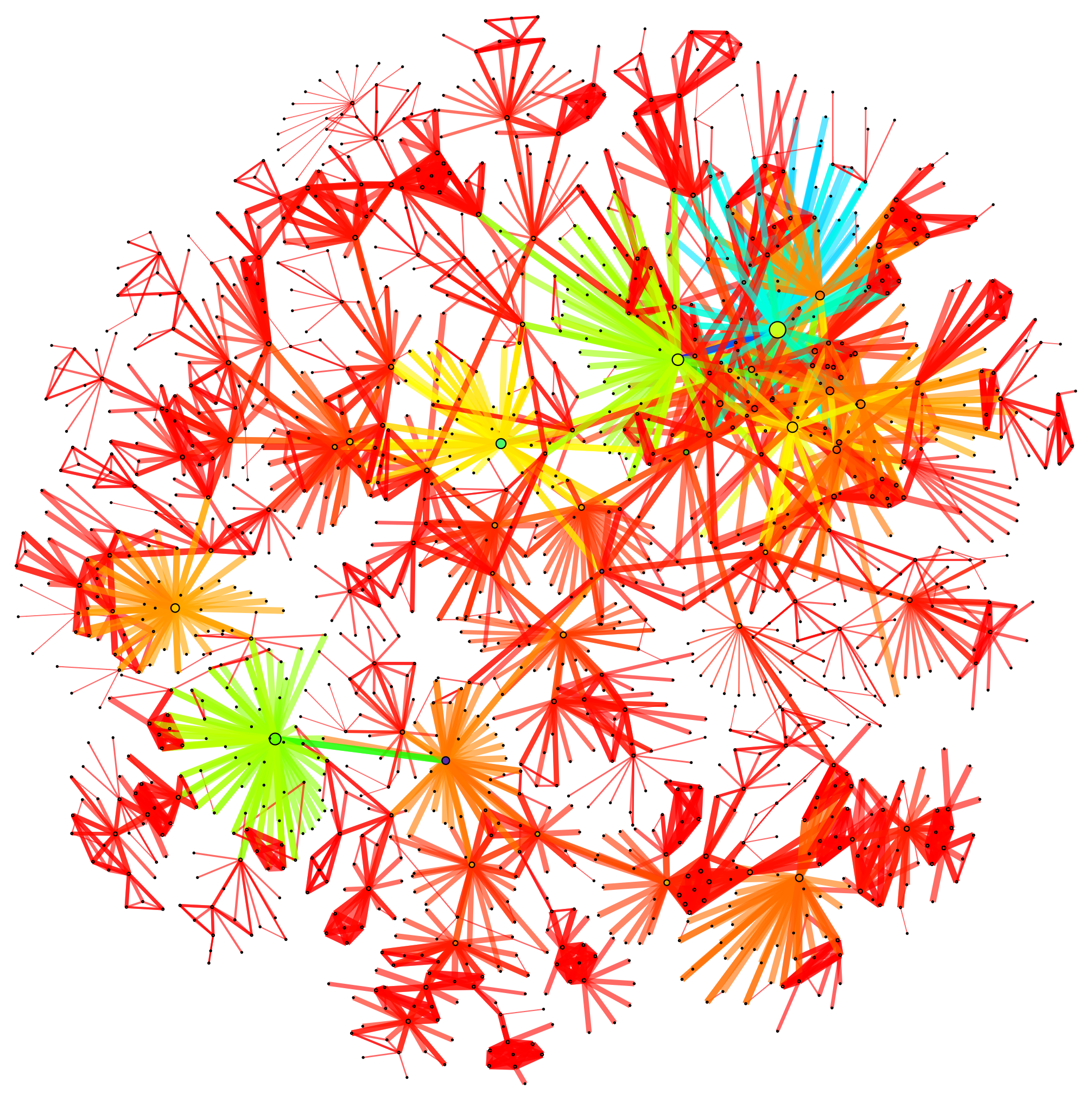
 PGD
PGD
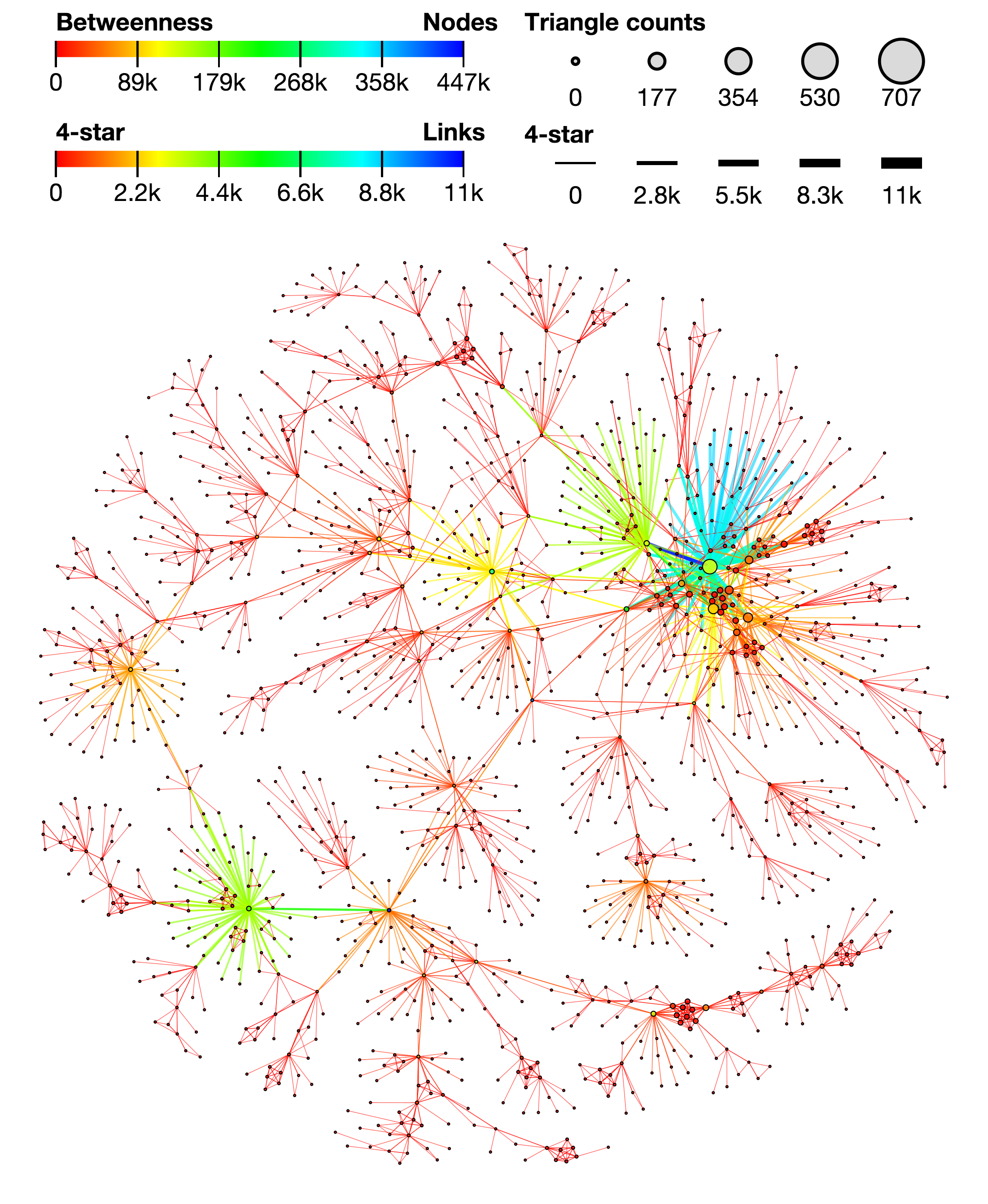 Graphlet visualization from the diseasome network
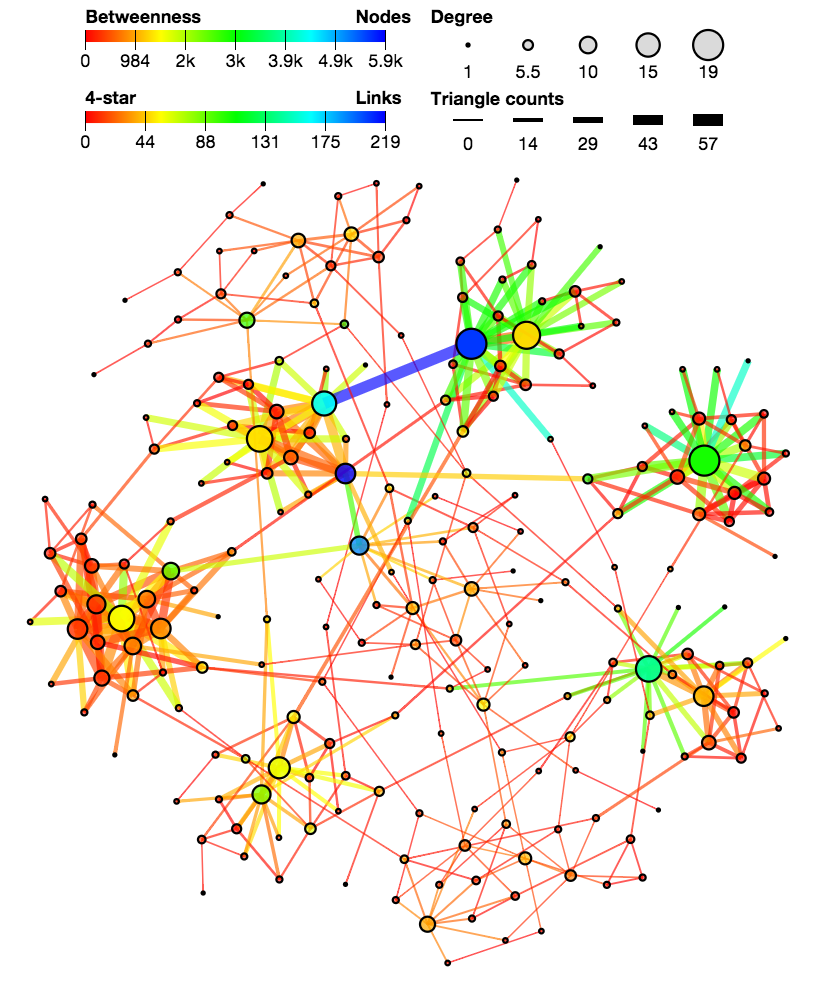 Block Chung-Lu
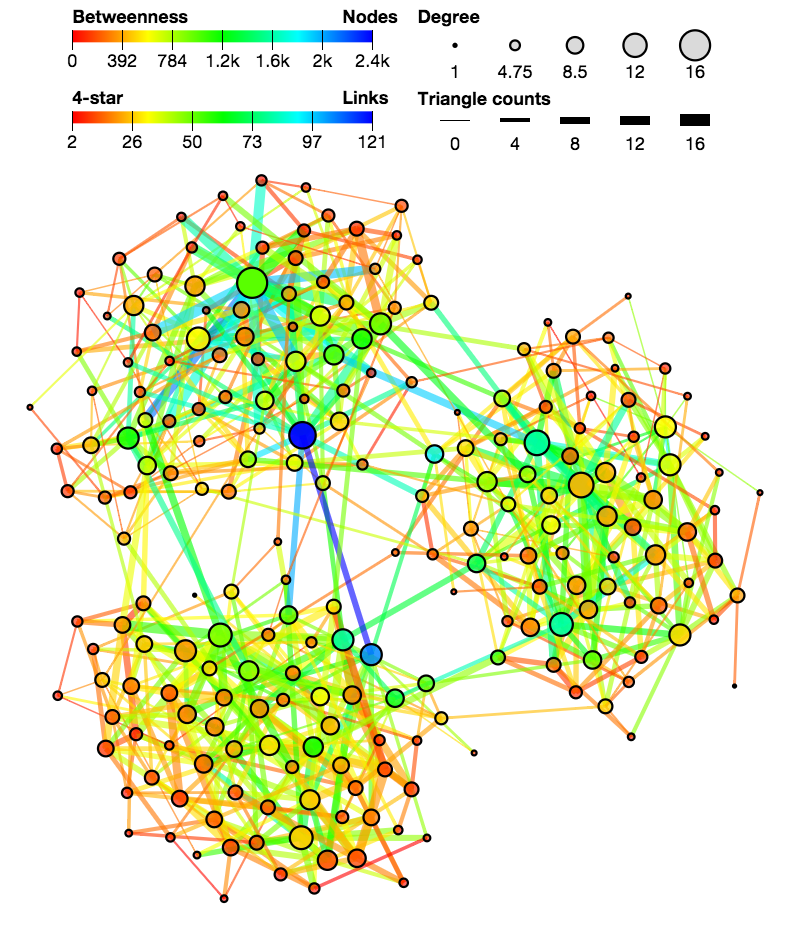 Block Erdos-Renyi
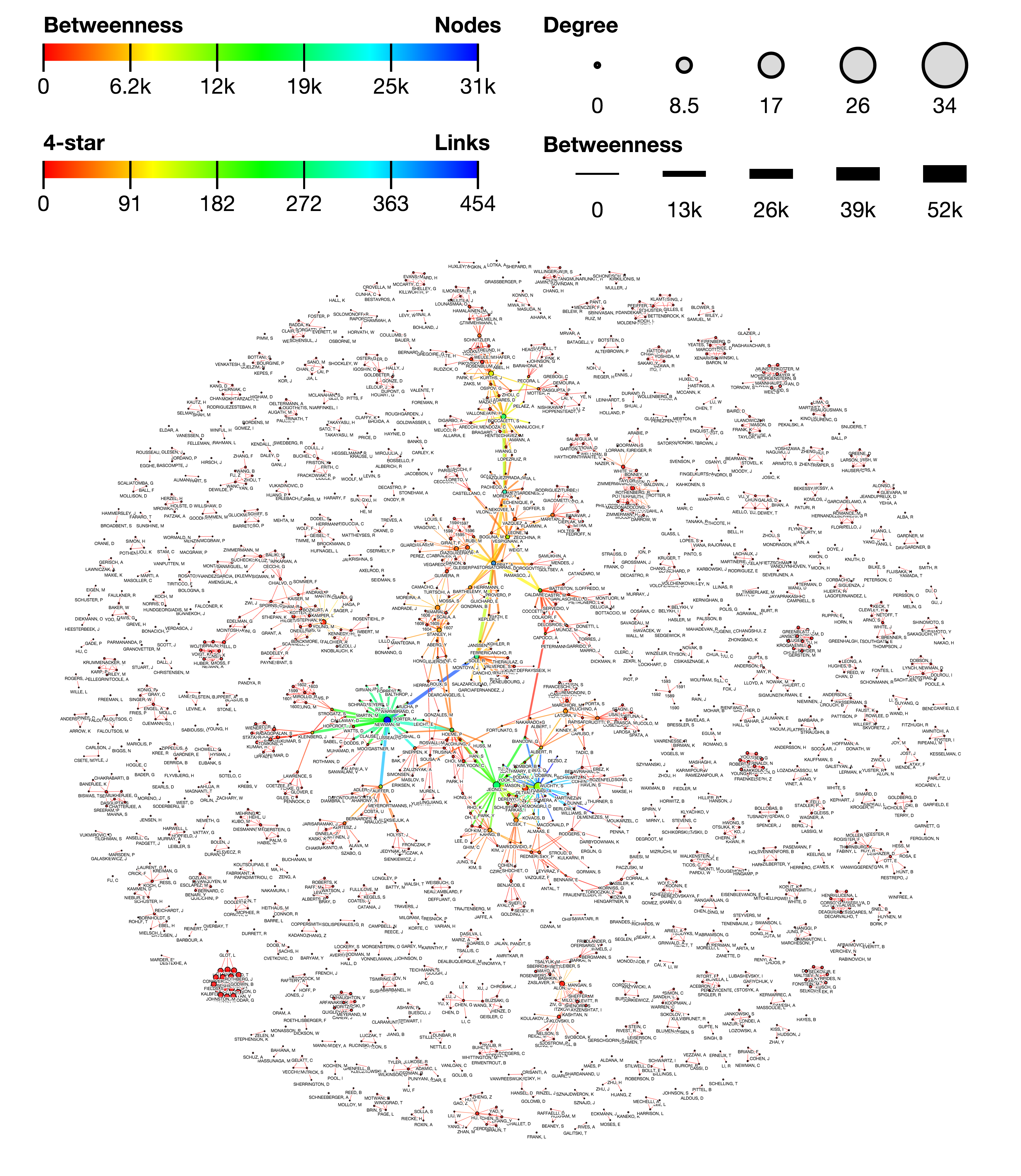 Spotting influential individuals in the collaboration graph from the network science community
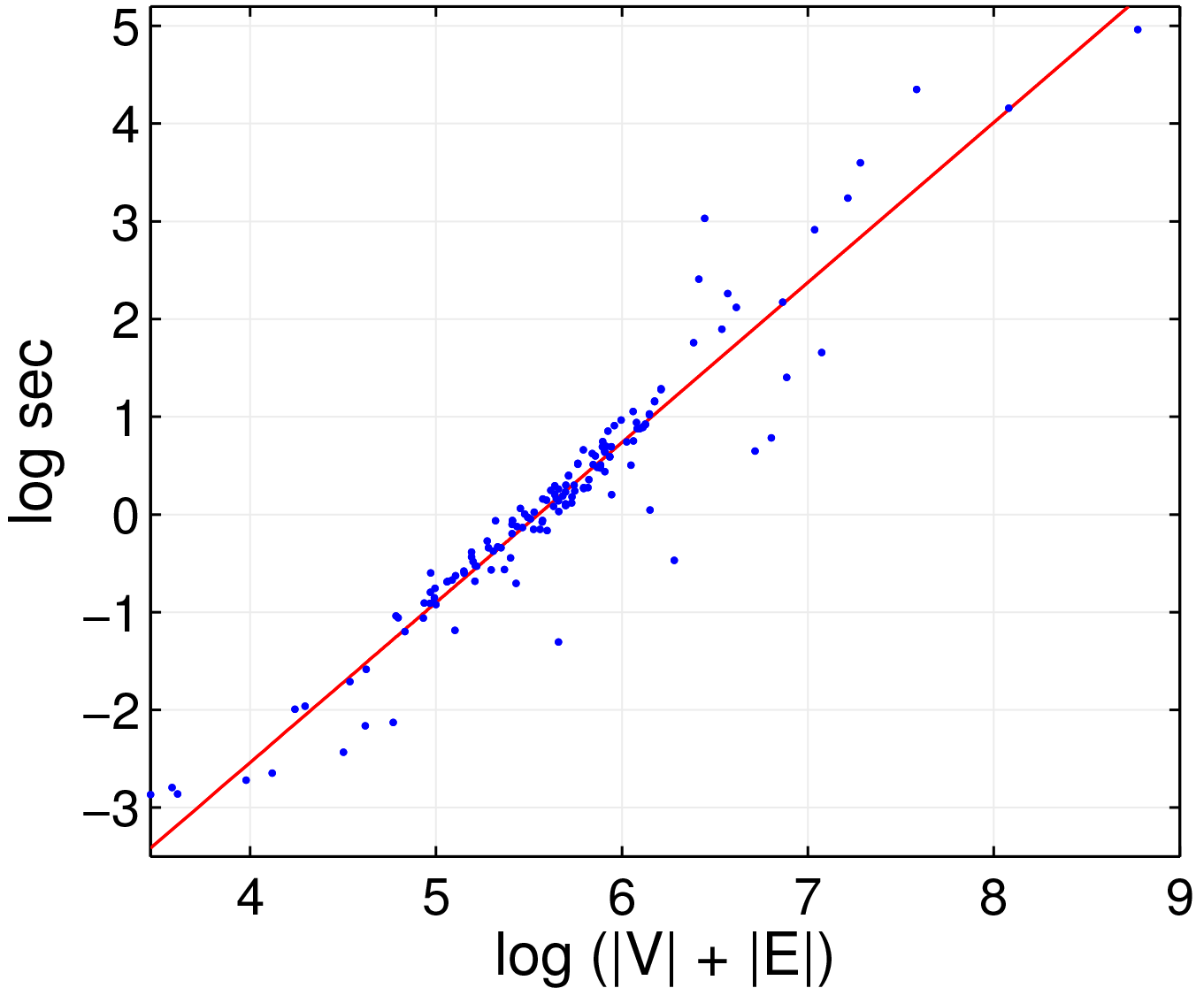 High-performance library for large networks
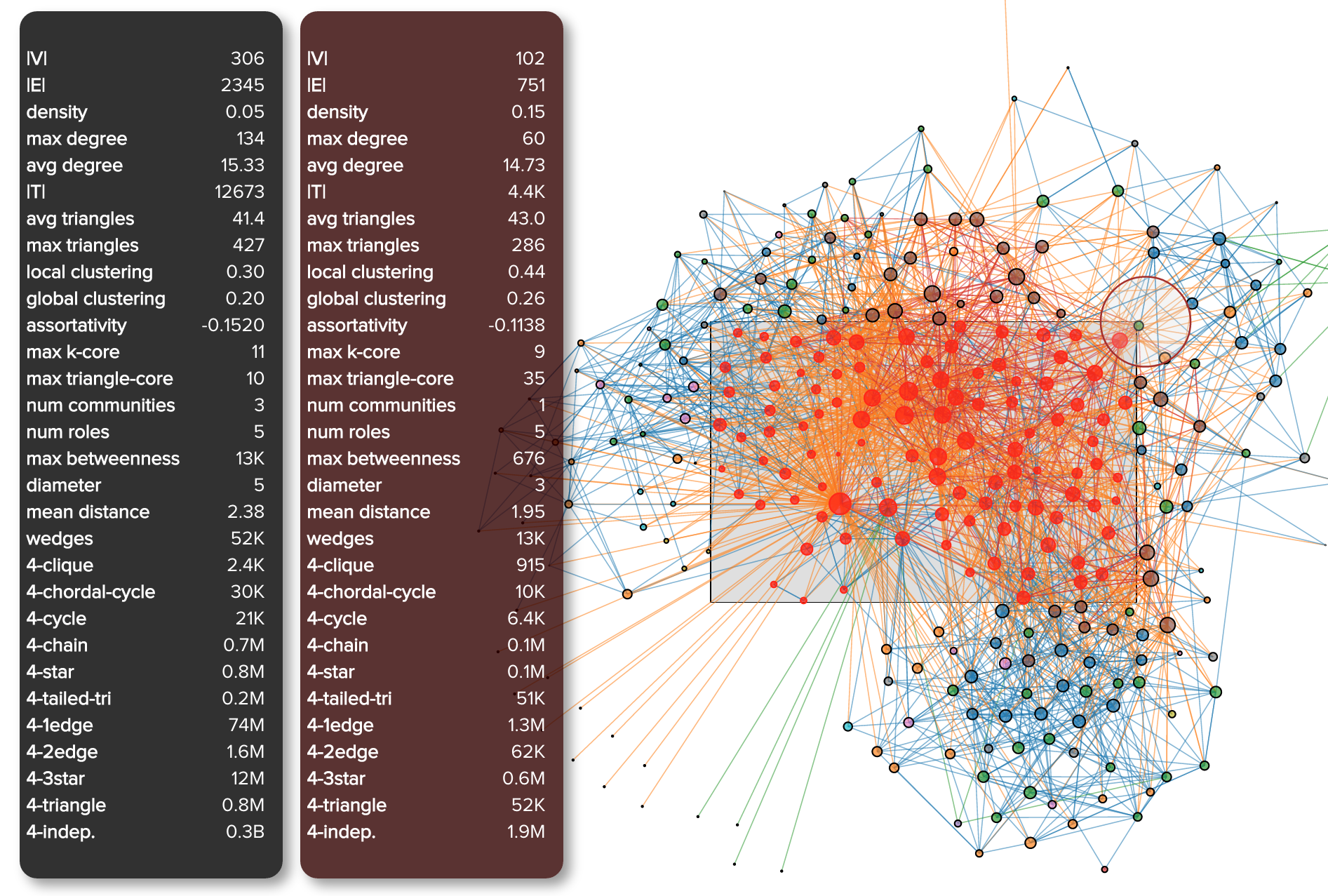 Interactive graphlet decomposition