








 3D Composites
 3M
3M Aerovac
 BGF Industries
 Cabot
Cabot CCS
CCS Cerex
Cerex Dexmet Corporation
 Fibertec
 H.B. Fuller
 Henkel
 Hexcel
 Hill Industries
 Huntsman
 Insul-Fab
 Isovolta Group
 ITW Polymers
 JPS Composite Materials
 Sensitech
 Solvay
 Adhesive Coatings
 Contact Adhesives
 Core Splice Adhesives
 Film Adhesives
 Foaming Adhesives
 Structural Adhesives
 Polyurethane Protective Boots
 Bagging Film
 Breather/Bleeder Cloth
 Parting Film
 Peel Ply
 Release Fabric
 Wire Systems
 Fiberglass
 Graphite
 Kevlar
 Positioning Fabrics
 Metallic
 Non-Metallic
 Aluminum Foil
 Expanded Metal Foil
 Pre-Primed Aluminum
 Airpreg
 Graphite
 Kevlar
 Corrosion Inhibiting Primer
 2 Part Resin Systems
 2 Part Sealants
 Compound Filler
 Release Agents
 Surface Pre-Treatment
 Flame Retardant Tapes
 Flash Tape
 Foam Tape
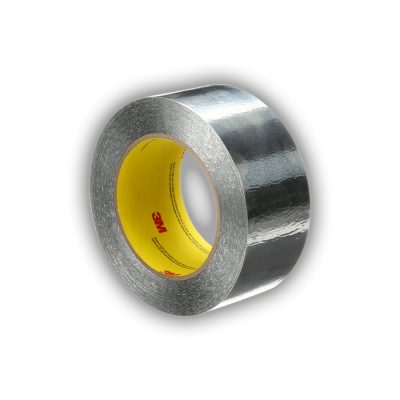 Foil Tapes
 Sealant Tape
 Vinyl Tapes
Animal+sexzooskool+anna+masked+mistress+cracked 2021 -
Are there you want to focus heavily on? (e.g., small animals, horses, exotic wildlife)
As society continues to elevate the status of animals in our homes, farms, and ecosystems, this unified scientific approach ensures we treat our fellow creatures with the empathy, dignity, and advanced medical care they deserve.
: Diseases like hyperthyroidism in cats or Cushing’s disease in dogs cause significant behavioral changes, including restlessness, increased irritability, and extreme food seeking.
However, modern veterinary medicine recognizes that a patient's mental welfare is just as critical as its physical well-being. This shift has placed the intersection of animal behavior and veterinary science at the forefront of modern animal care.
One of the most impactful applications of behavioral science in the clinical setting is the rise of low-stress handling methodologies, often formalized through programs like "Fear Free" certification. animal+sexzooskool+anna+masked+mistress+cracked
Veterinary behavioral medicine relies heavily on pharmacology and neurobiology. Just like humans, animals experience biochemical imbalances in the brain that lead to generalized anxiety, panic disorders, and depression.
Using synthetic pheromones (like Feliway for cats or Adaptil for dogs) to calm patients.
The name "Anna" in this keyword string could refer to several historical figures, each with their own connection to the concept of a "mistress."
Once medical causes are ruled out, veterinarians are often the first line of defense for true behavioral disorders (anxiety, phobias, compulsive disorders, and cognitive decline). Are there you want to focus heavily on
Furthermore, wearable technology—such as smart collars that track a dog's scratching, sleeping patterns, and heart rate variability—allows veterinarians to gather objective behavioral data in the animal's natural home environment, catching illnesses long before clinical symptoms present in the exam room. Conclusion
Many behavioral problems are rooted in physical pain. By analyzing these shifts, veterinary professionals can pinpoint hidden ailments:
Extreme reactions to thunderstorms, fireworks, or specific environmental triggers.
The "Fear-Free" movement has revolutionized how clinics operate. Veterinary scientists now use behavioral knowledge to modify the clinic environment—using pheromone diffusers, specialized handling techniques, and treat-motivated exams. Reducing cortisol levels during a visit doesn’t just make the pet happier; it ensures more accurate blood pressure readings, heart rates, and diagnostic results. 2. Strengthening the Human-Animal Bond Understanding animal behavior allows veterinarians
One of the most critical principles of veterinary behavior science is that sudden behavioral changes are often the first sign of physical illness or pain. Animals cannot speak; they communicate discomfort through actions. 1. Pain-Induced Aggression
Should we expand more on versus domestic pets?
For dogs, this window occurs between 3 and 16 weeks of age. For kittens, it is even earlier, between 2 and 7 weeks. During this time, the brain is highly plastic.
Understanding animal behavior allows veterinarians, behaviorists, and pet owners to identify illnesses early, reduce stress during medical treatments, and solve complex behavioral issues that might otherwise lead to shelter abandonment or euthanasia. The Intersection of Behavior and Medicine